Table of contents
TL;DR / Geek Summary:
- Hardware Hack: 8S 29.2V LiFePO4 pack build utilizing EVE C33 15AH cells and Daly BMS for a 70% cost reduction vs. commercial units.
- Stability Layer: Mandatory integration of active balancing and rigid bracket structures to combat LiFePO4’s inherent cell-consistency drift.
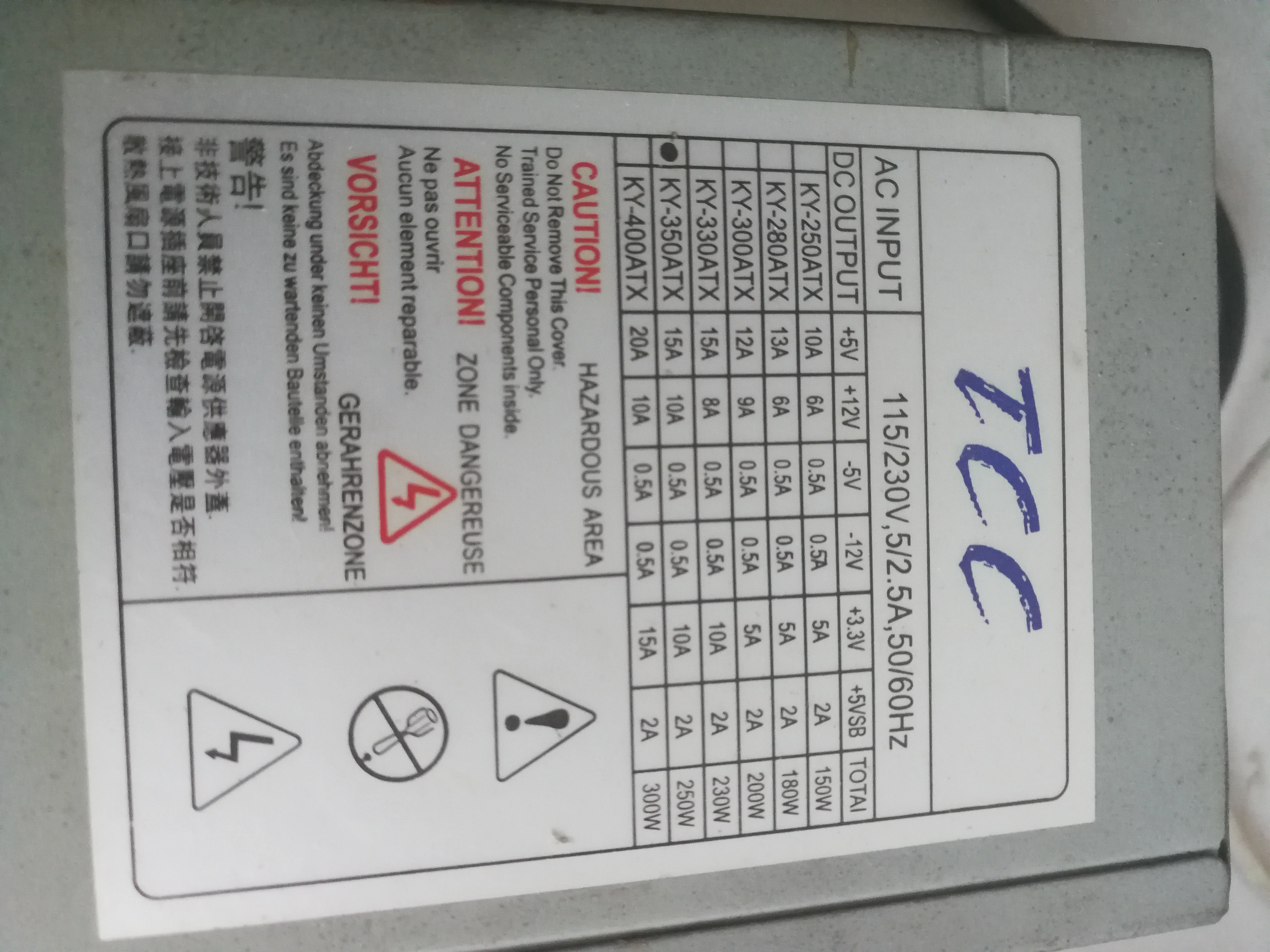
- Power Mod: Repurposed PC ATX power supply (3.2V memory rail) as a high-current initial cell charger with built-in OCP (Overcurrent Protection).
# I Made an Electric Vehicle Battery Pack
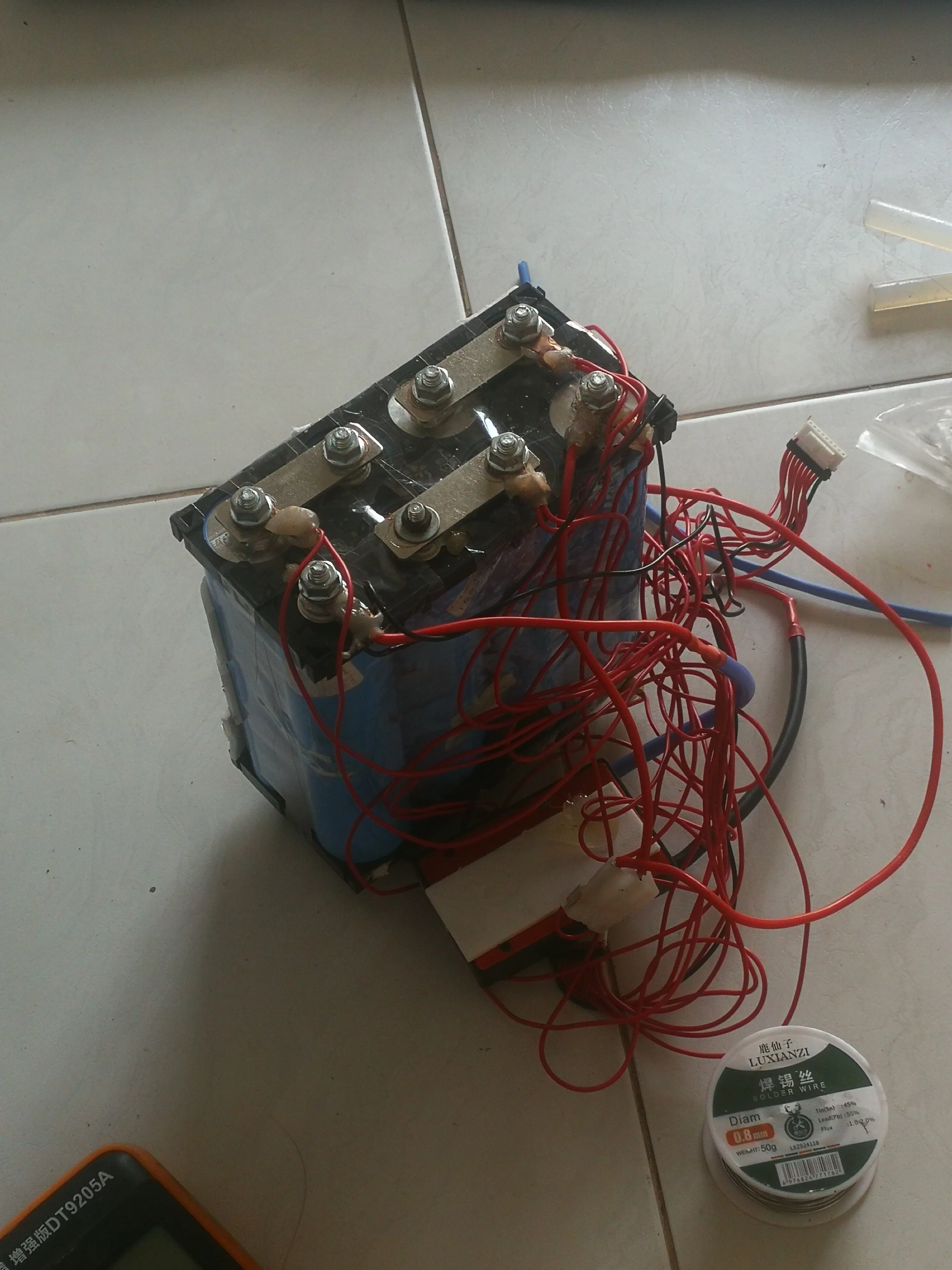
Because finished battery packs are too expensive (usually around 600-700 RMB), I decided to build my own for only about 200 RMB. The advantage of LiFePO4 is safety; the disadvantage is poor consistency. You need active balancing, or the voltage difference will increase over time, rendering it unusable. It’s best to use battery brackets for DIY packs to avoid future trouble, especially for cylindrical cells like these. Brackets are far better than epoxy boards. Also, choosing the stud-conversion version can effectively reduce installation hassle.
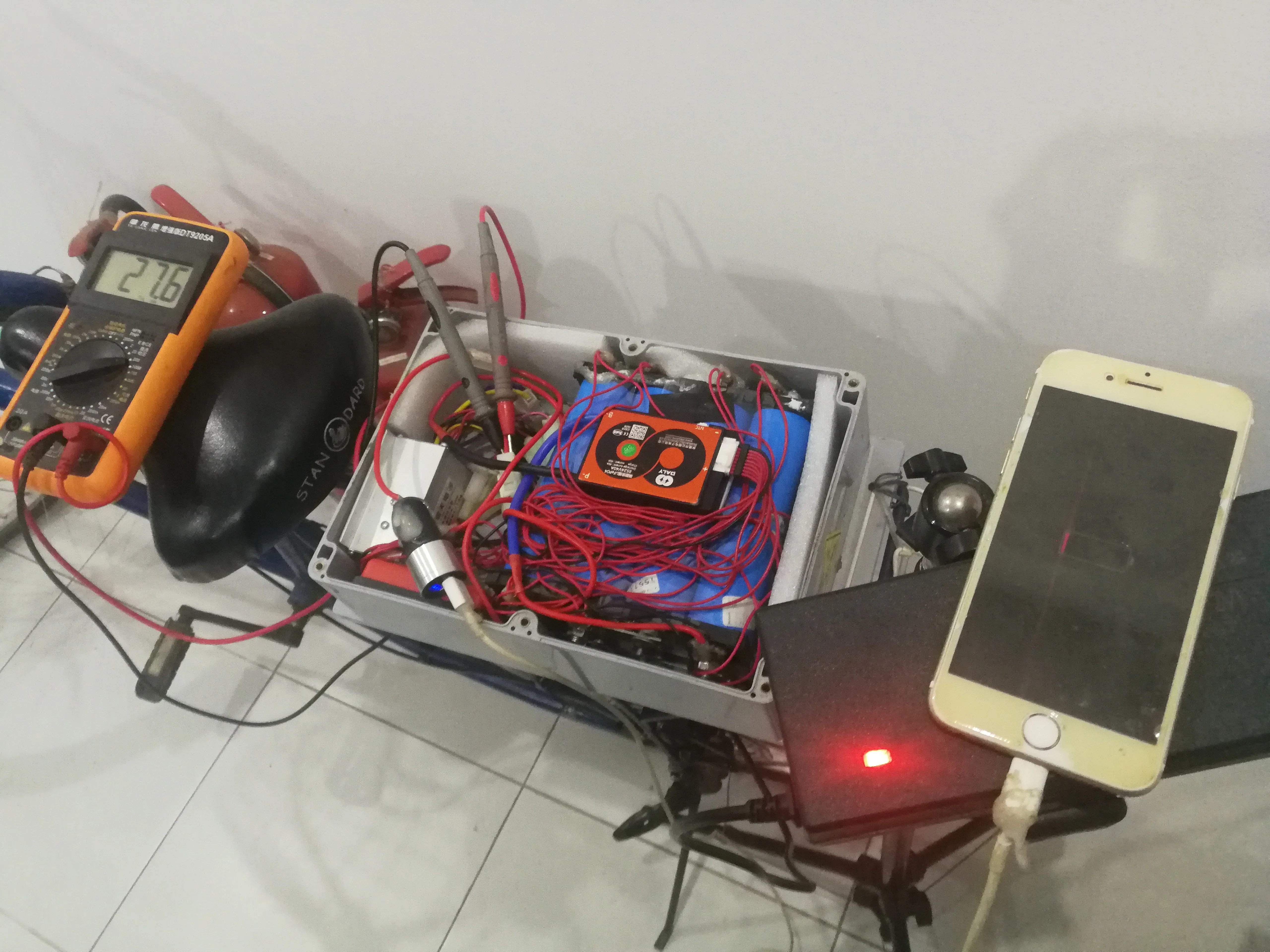
The type of battery I’m making this time is a LiFePO4 pack. 29.2V is the full charge voltage, but in actual testing, it only reaches 27V for some reason. Regardless, it works fine.
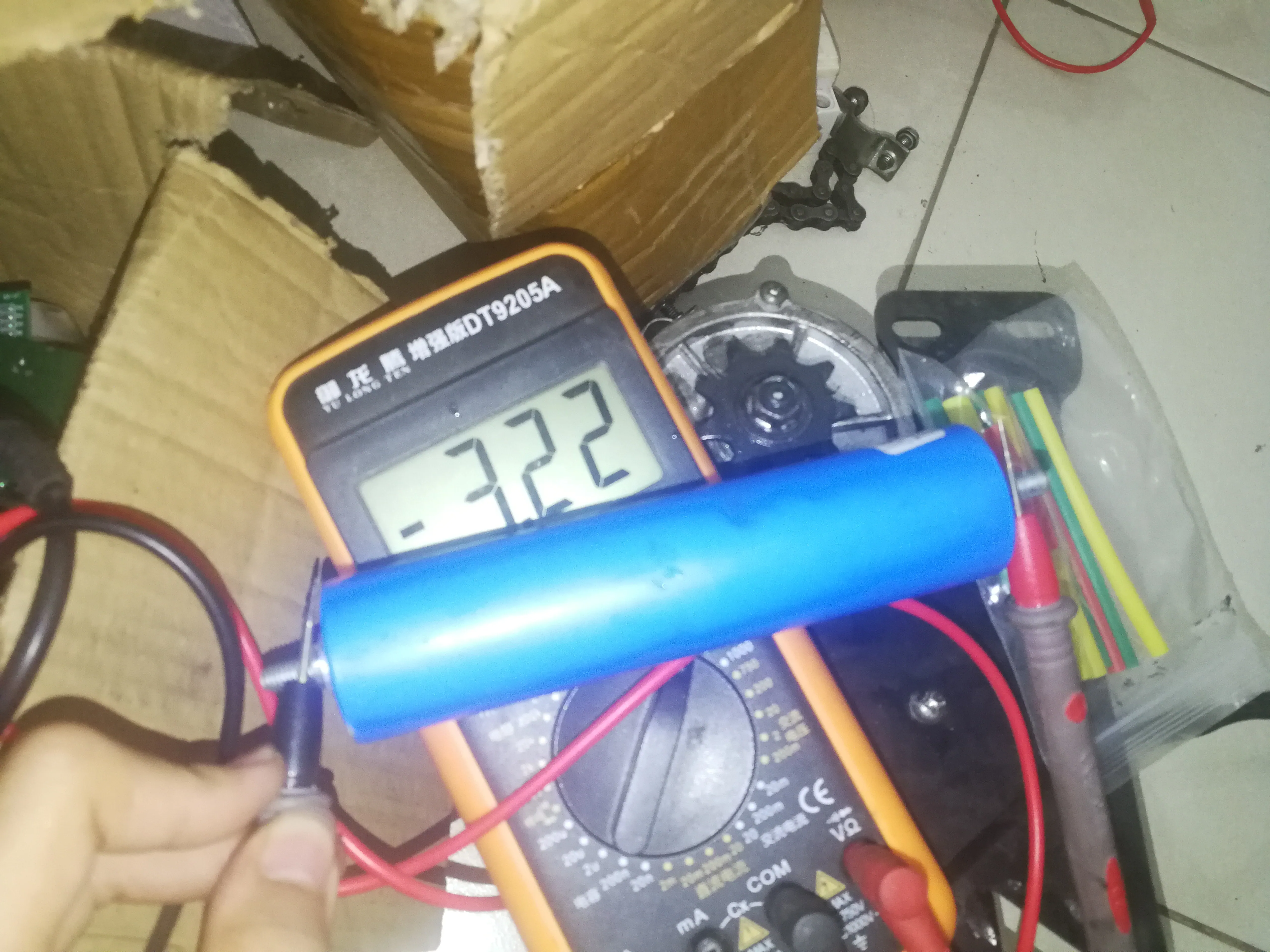
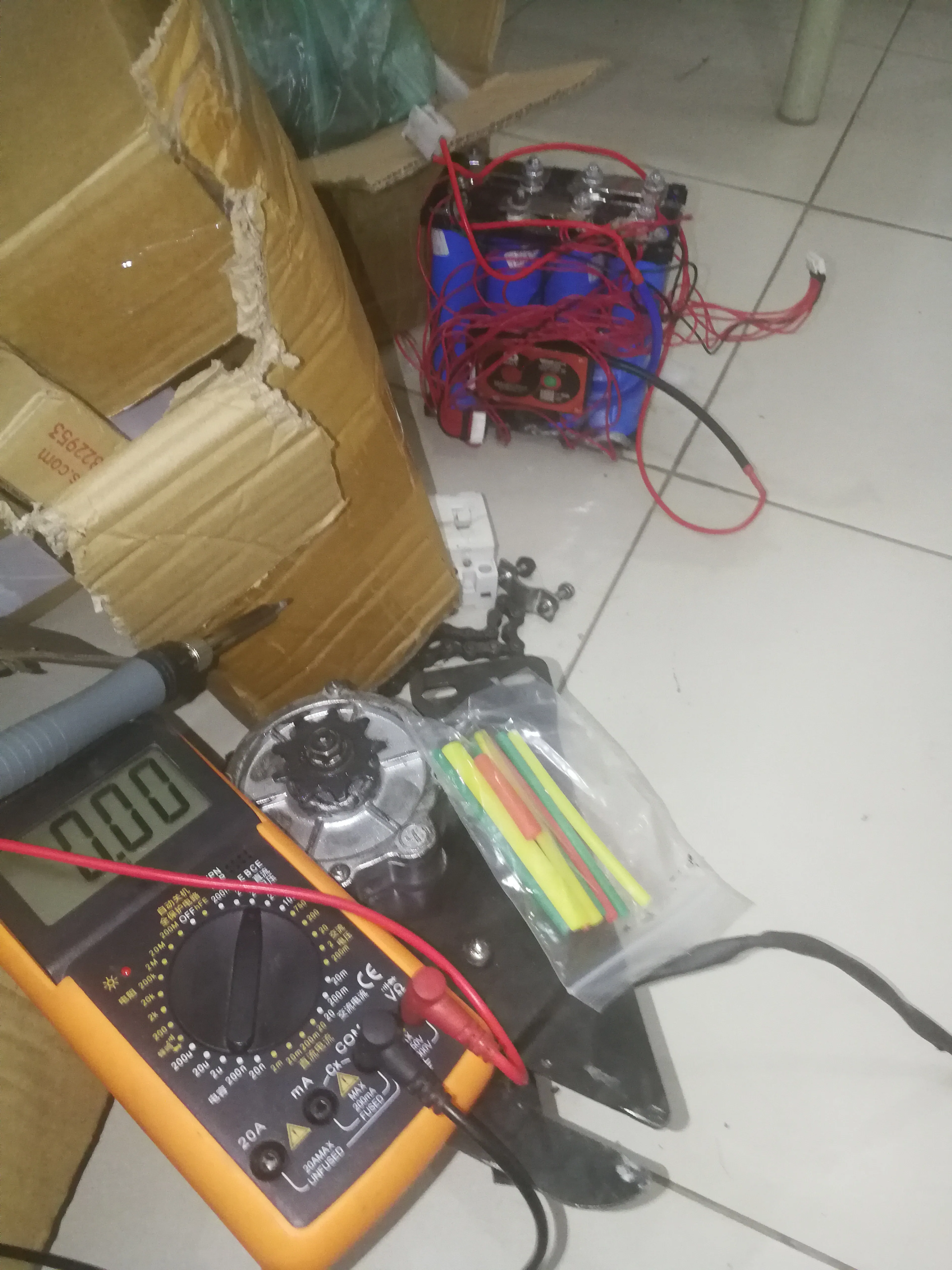
Materials: 8x C33 cells, 1x Daly BMS (protection board), 1x active balancer, 1x set of battery brackets, various screw connecting plates, soldering iron, etc.
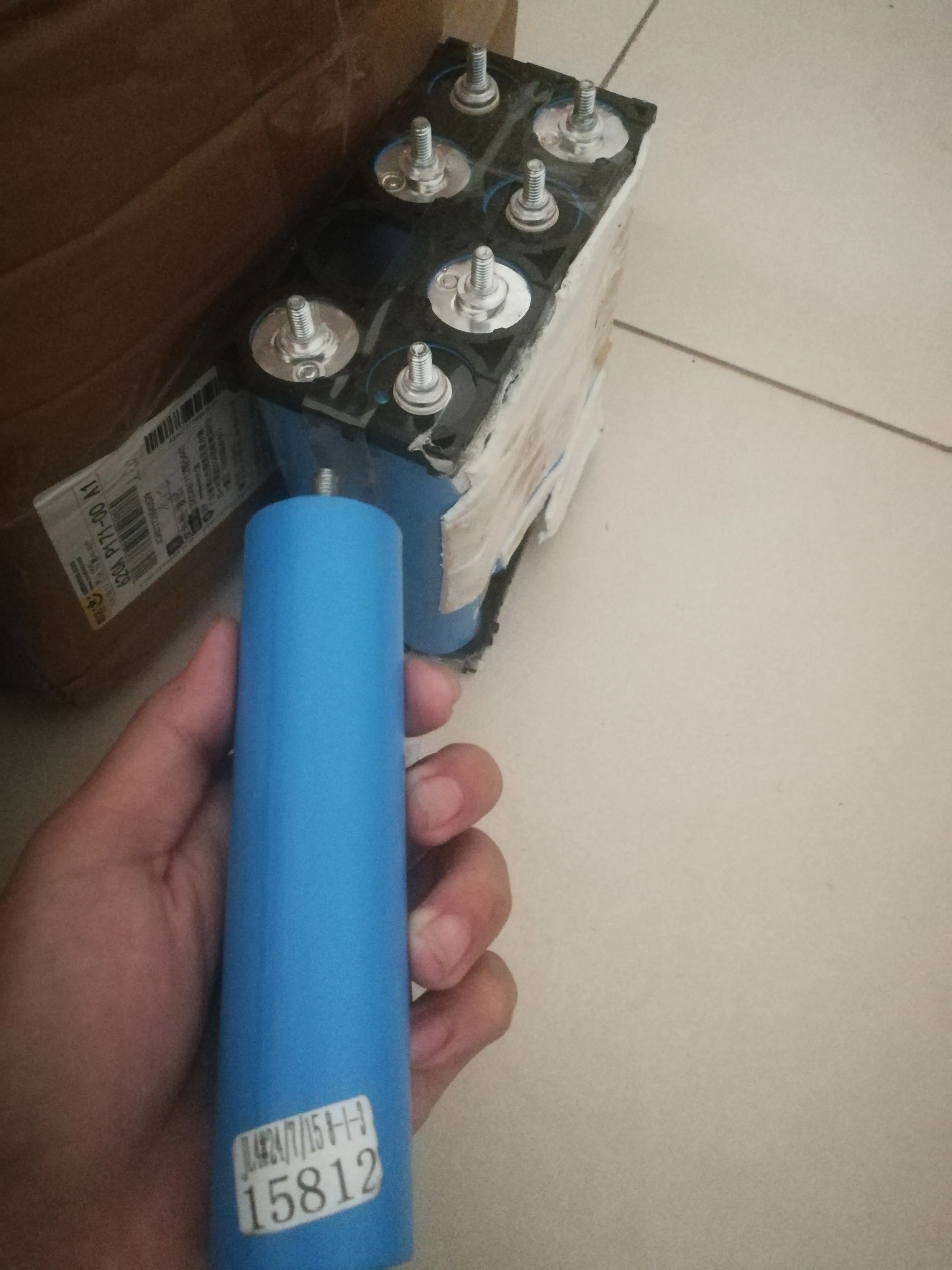
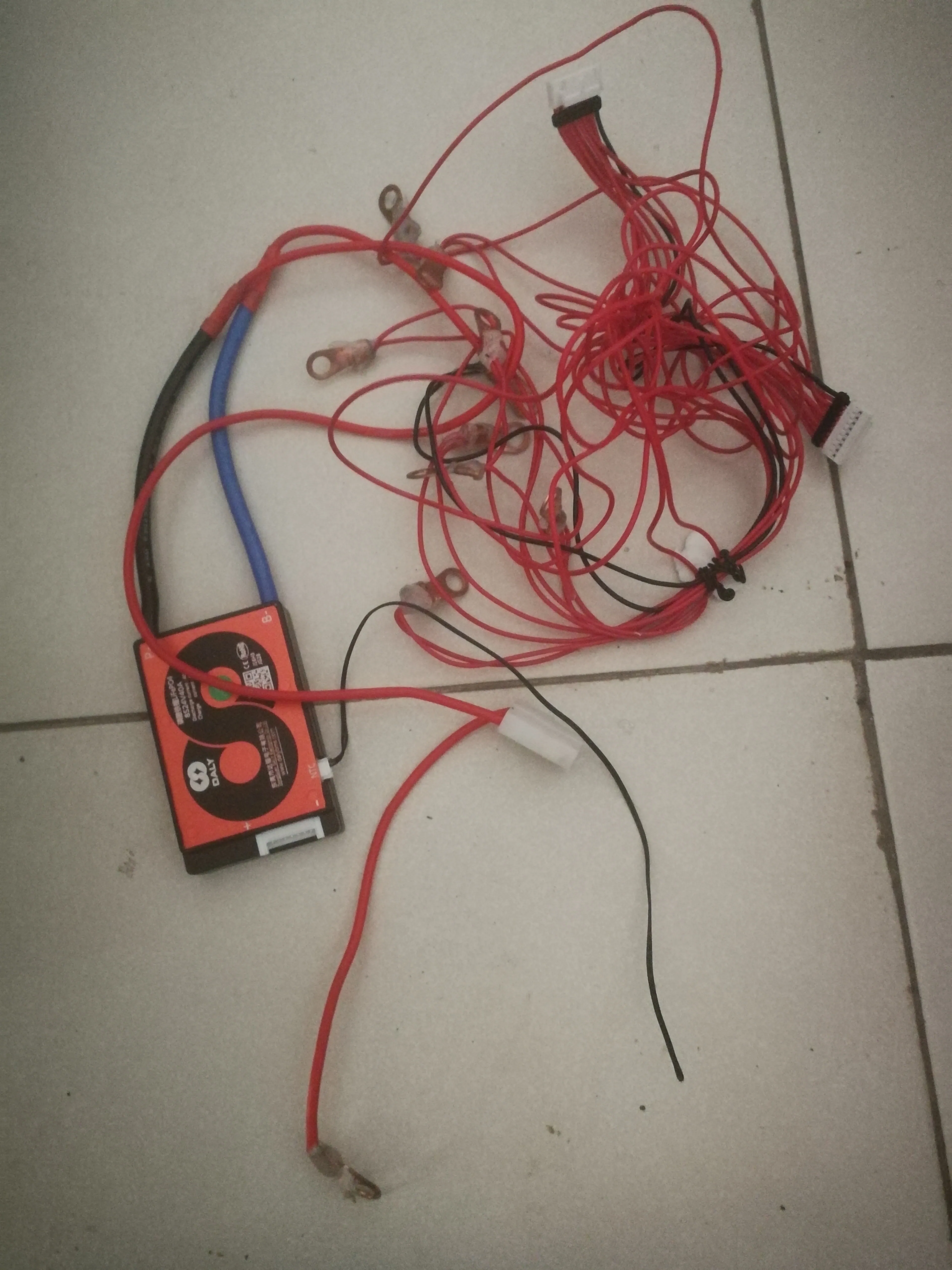
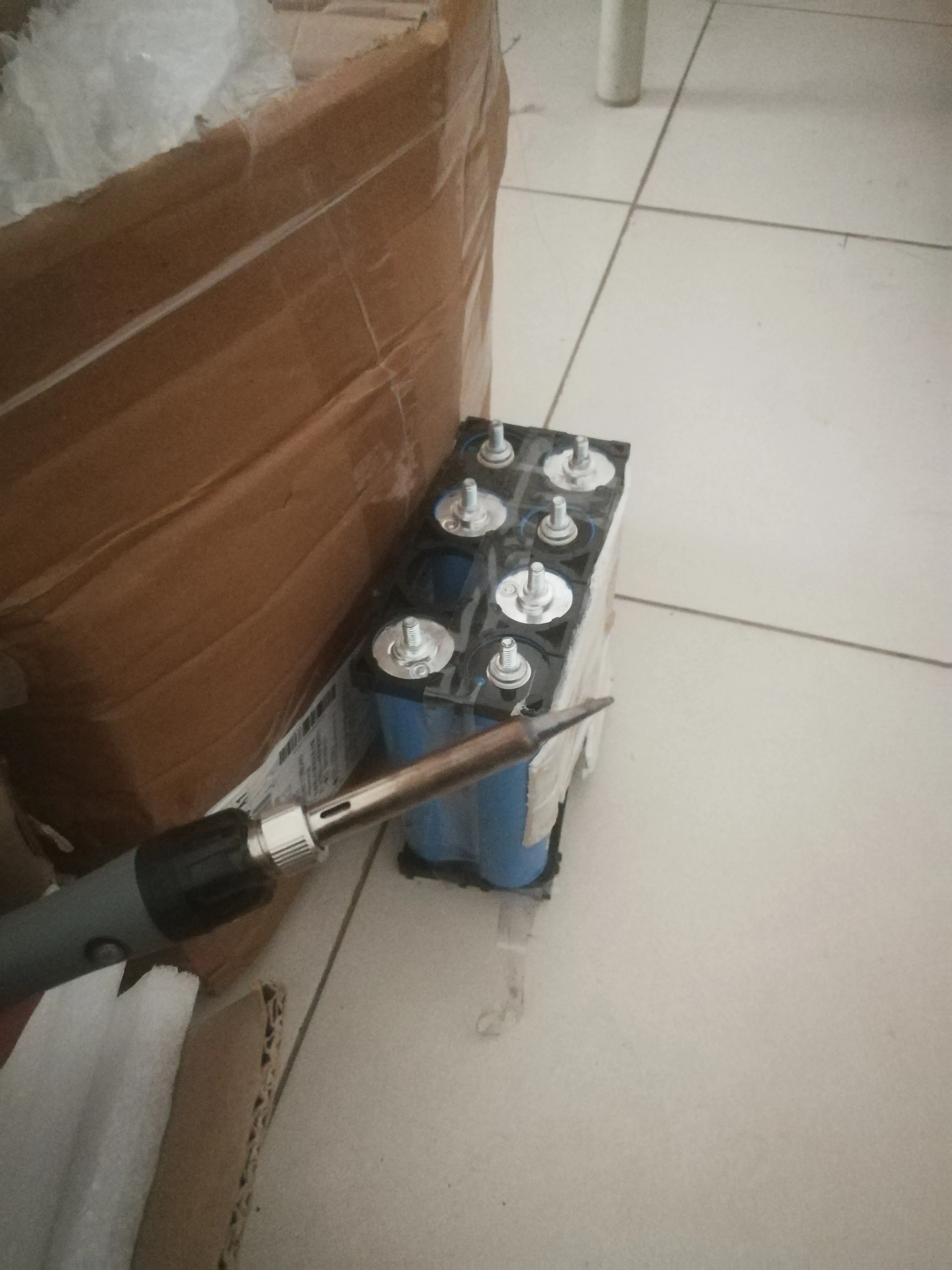
BMS, batteries, and soldering iron.
# Single-Cell Charger
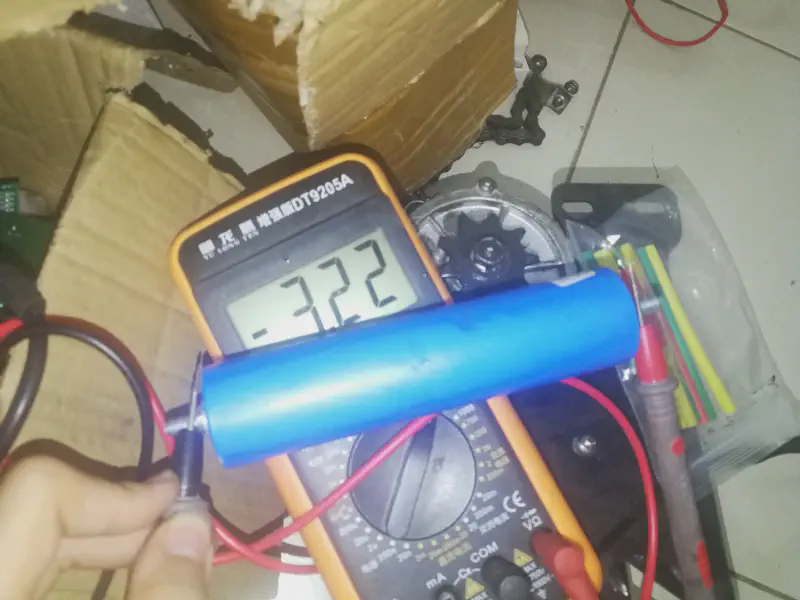
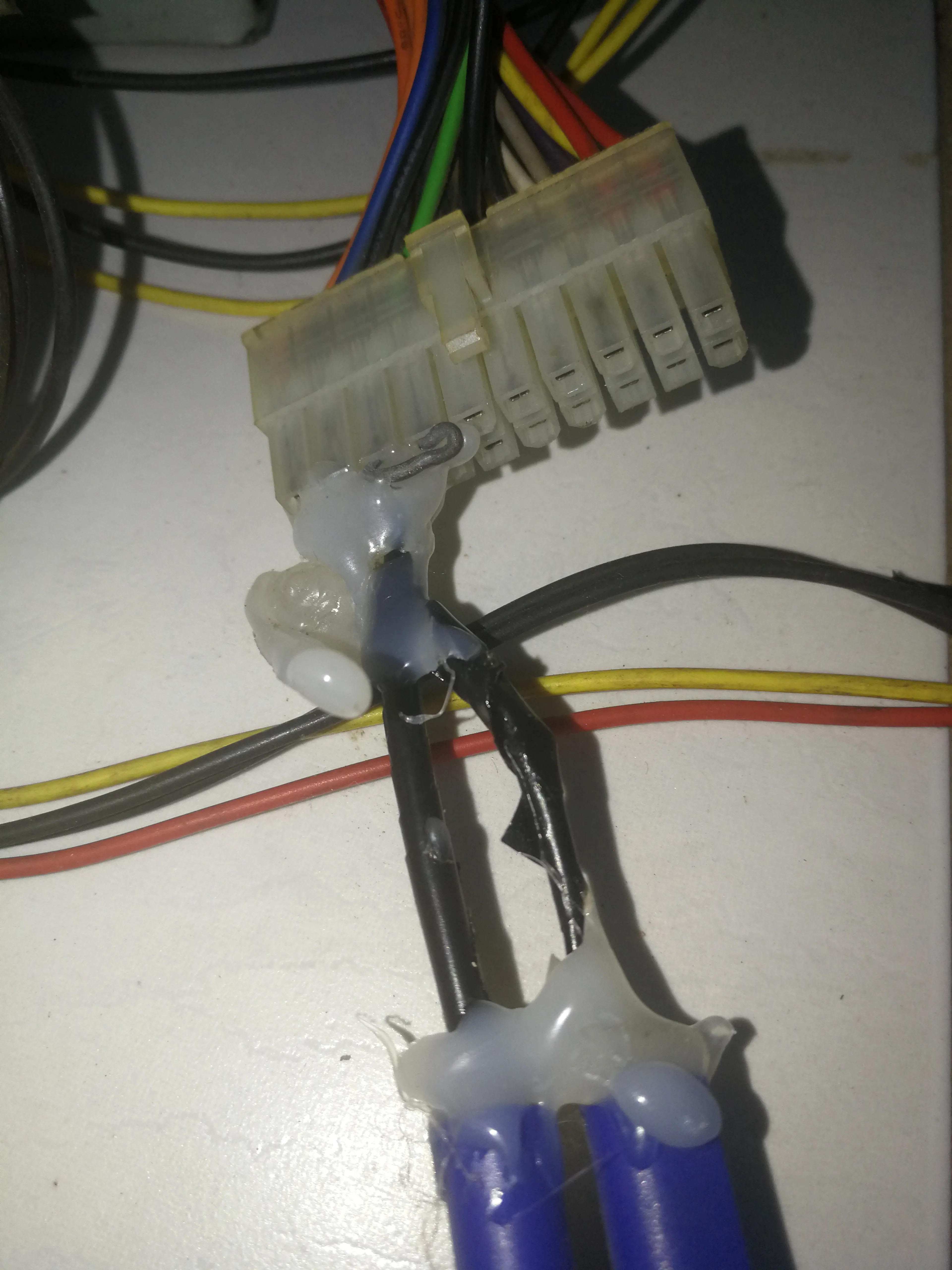
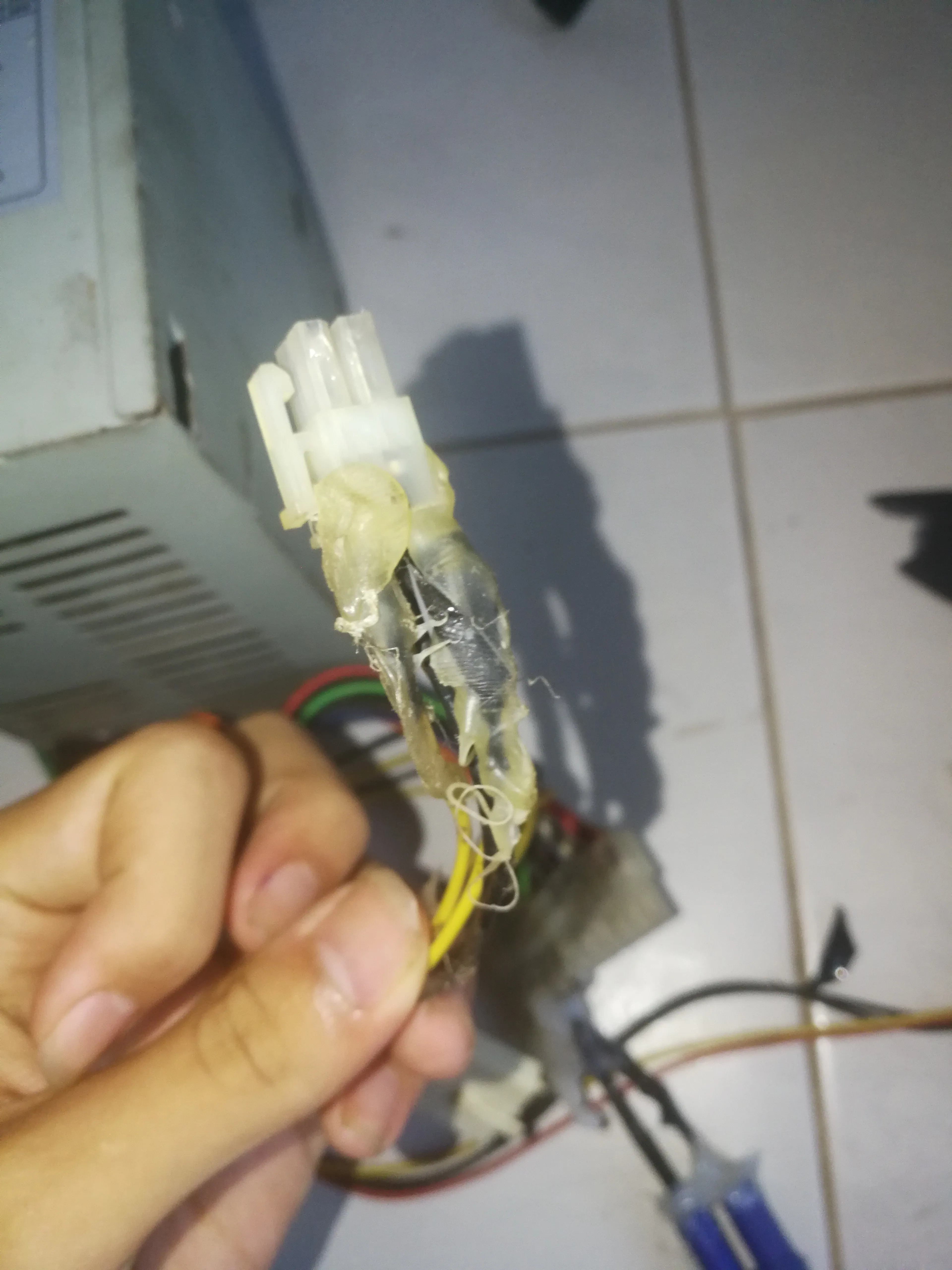
Used for the initial charge of the cells. The 24-pin interface has a memory power line, which is exactly 3.2V—perfect for LiFePO4. However, the current is high (up to 10A), which might exceed the battery’s charging current. Fortunately, the power supply has overcurrent protection, so there’s no need to worry.
# Final Use: Electric Vehicle Battery