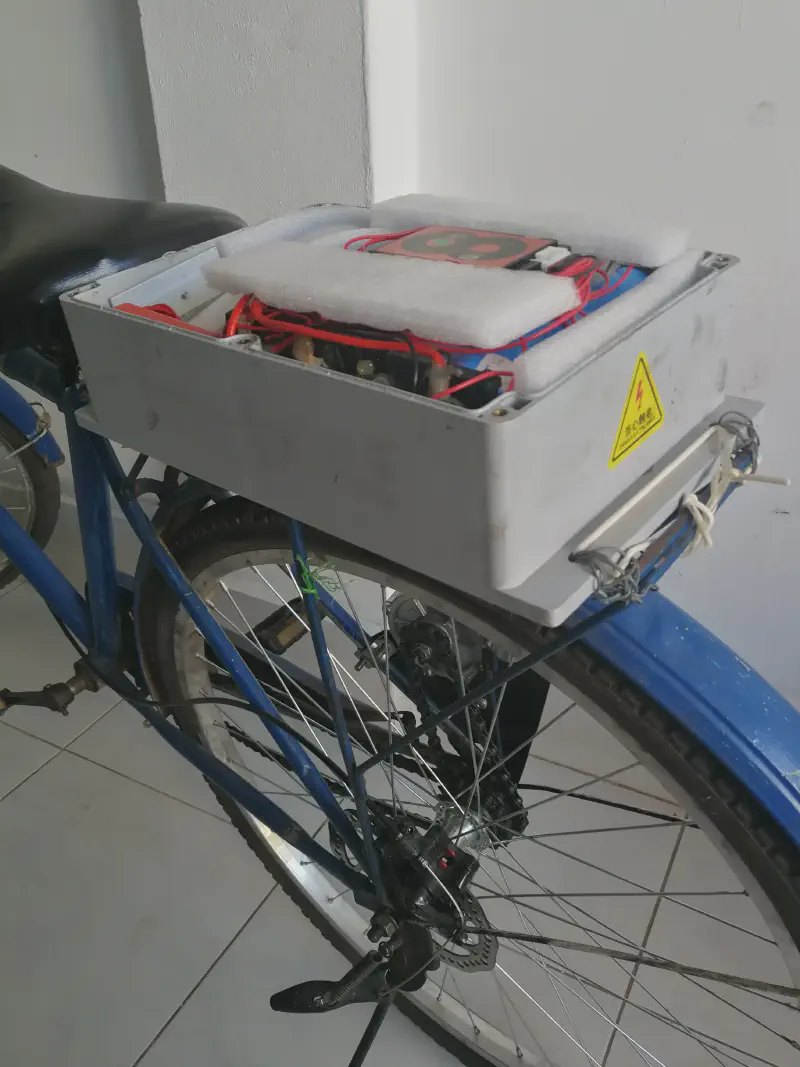
# Converting a 26-Inch Vintage Bicycle into an E-Bike with a MY1016Z2 Motor and LiFePO4 Battery
TL;DR / Geek Summary:
- Hardware Hack: 15-year-old vintage bicycle retrofitted with MY1016Z2 brushed motor.
- Power Cell: Custom-built 24V 15Ah LiFePO4 battery pack with 40A BMS and active balancing.
- Geek Factor: Prioritized brushed motor for the “mechanical engine sound” vibe; includes 24V-to-mobile charging.
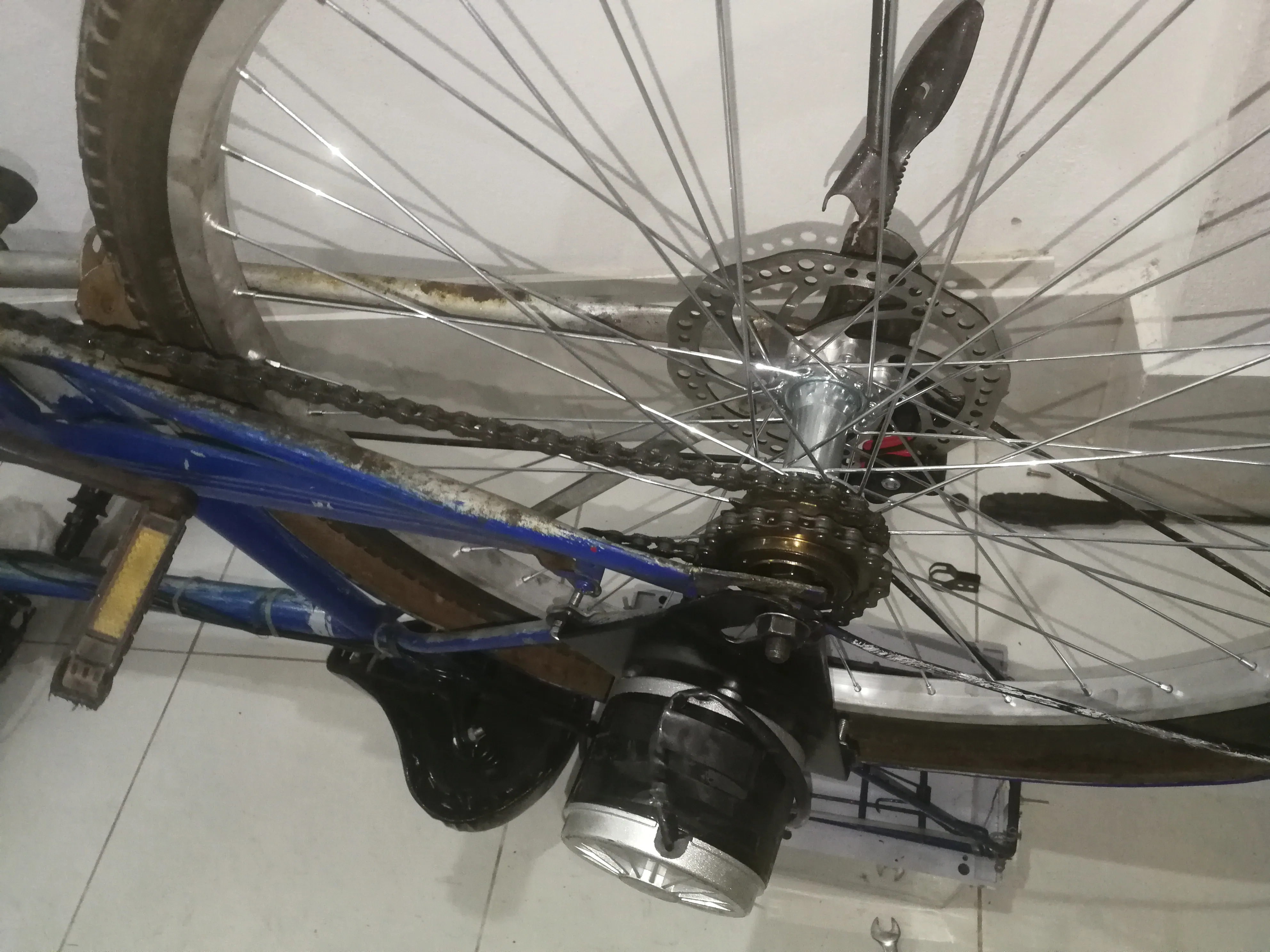
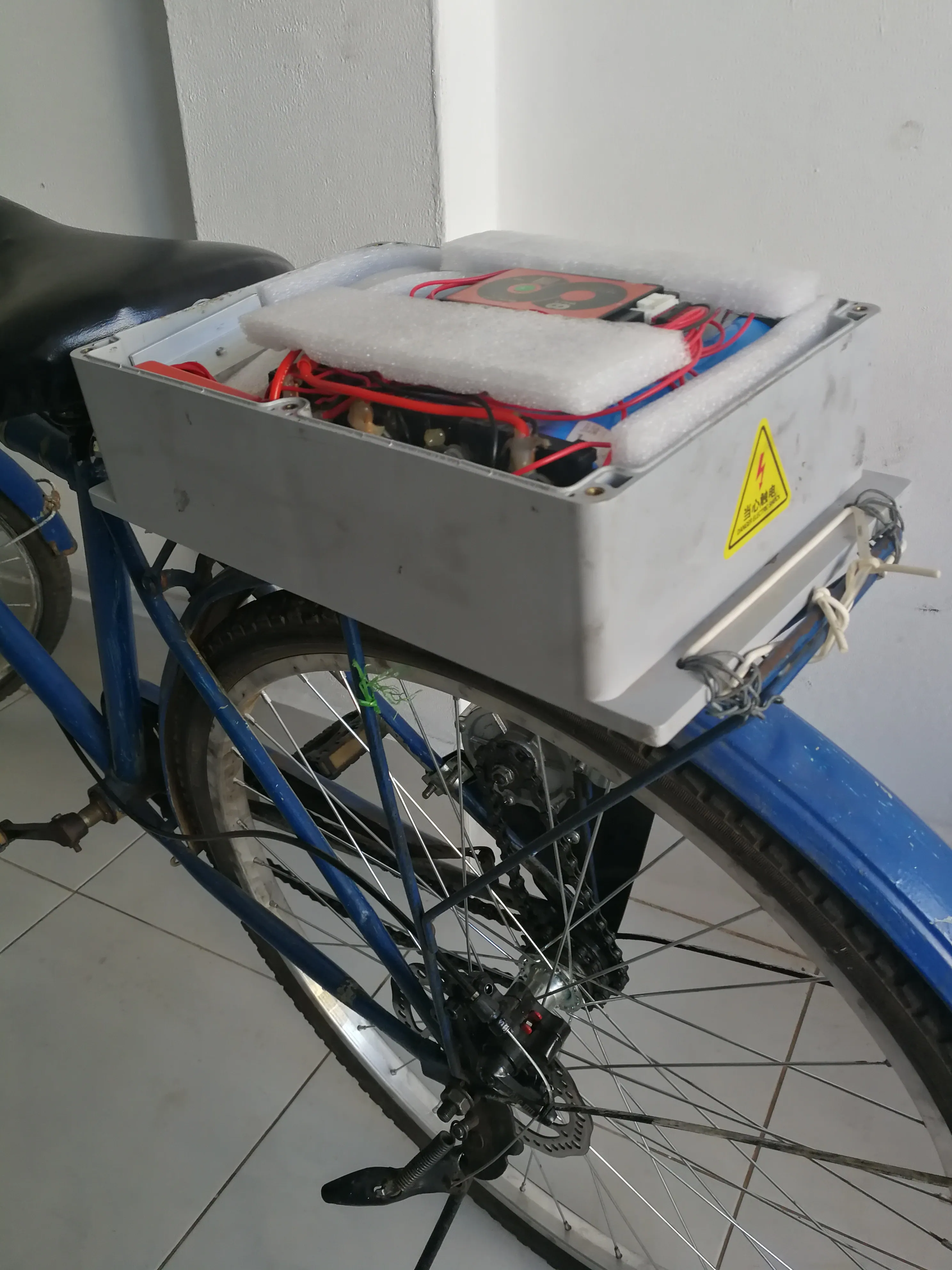
This bicycle has been ridden for 15 years. I found that the bottom bracket, tires, brakes, and the center headset screws were getting quite old and produced strange squeaking noises when riding, so I decided to convert it into an electric bike.
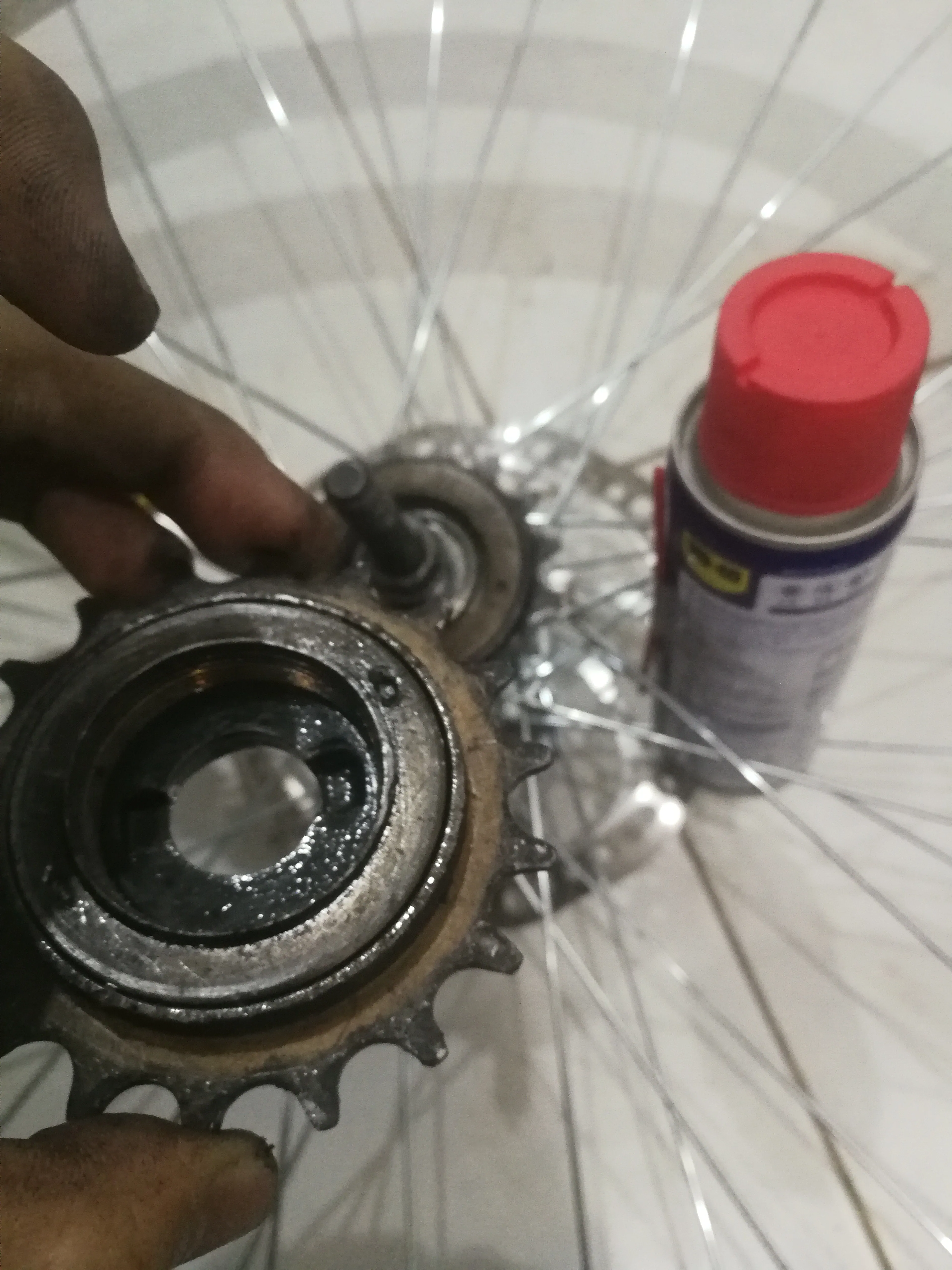
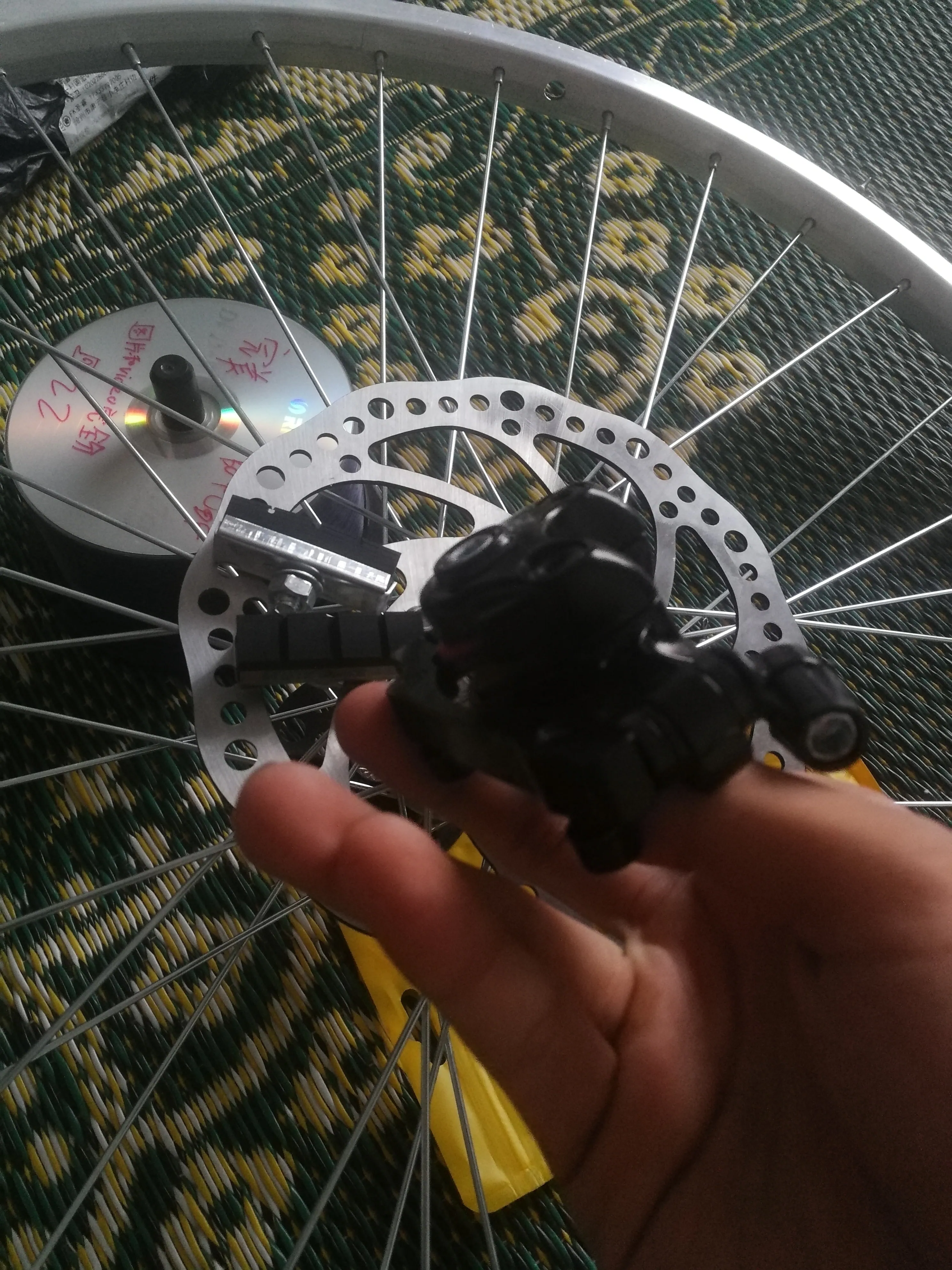
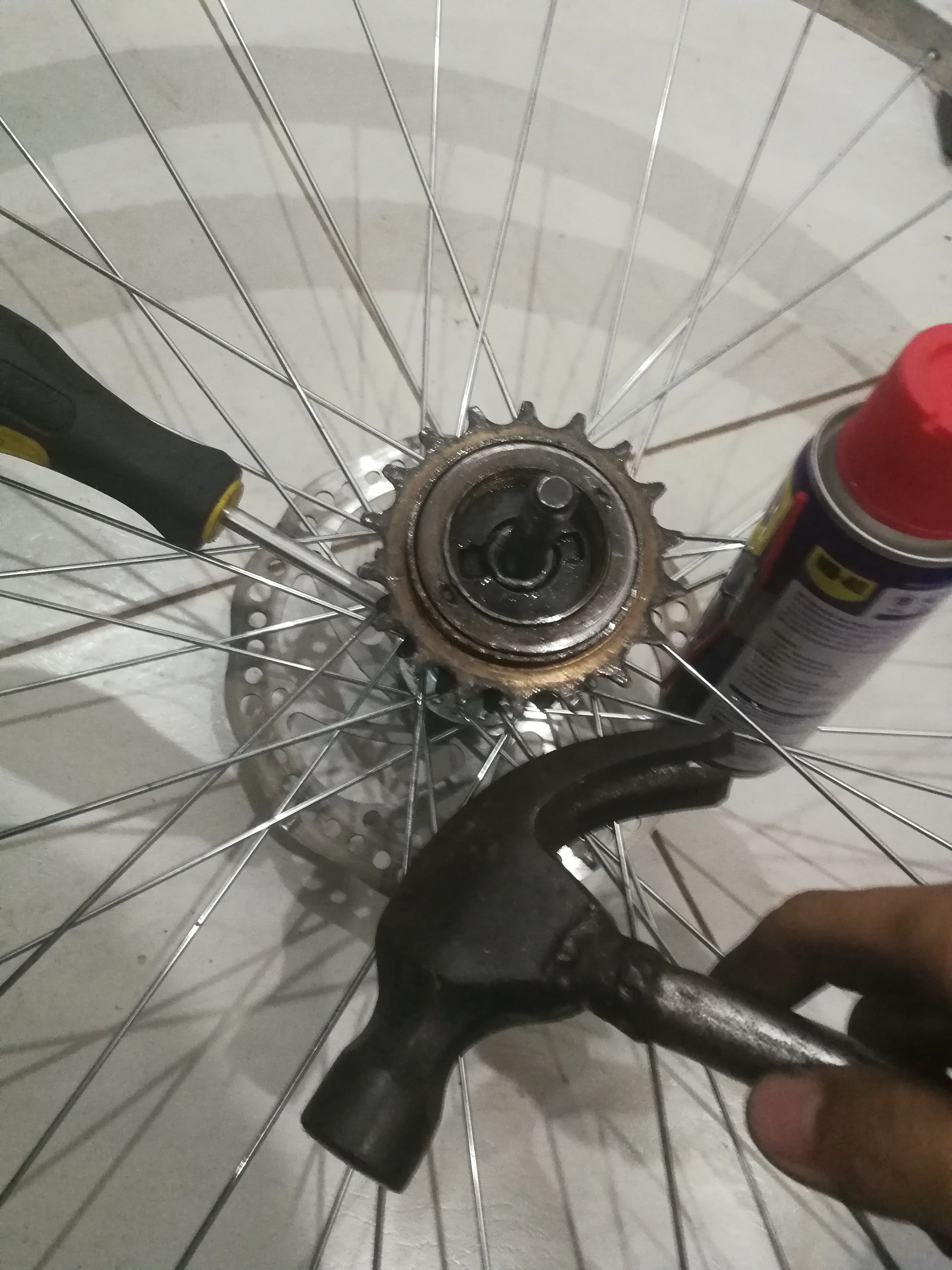
On Taobao, there are both brushless and brushed motor versions available. However, the brushless motor version is very complicated—it has three wires, unlike the brushed one which only needs two to get the job done. Plus, brushless motors require an ESC (Electronic Speed Controller) and Hall sensors. Sellers usually sell them as whole kits, and they are not cheap. Moreover, brushless motors don’t have that “engine sound,” making the ride feel a bit dull. This brushed motor, being a gear reduction motor, produces a very loud mechanical gear sound, giving it the feel of riding a motorcycle.
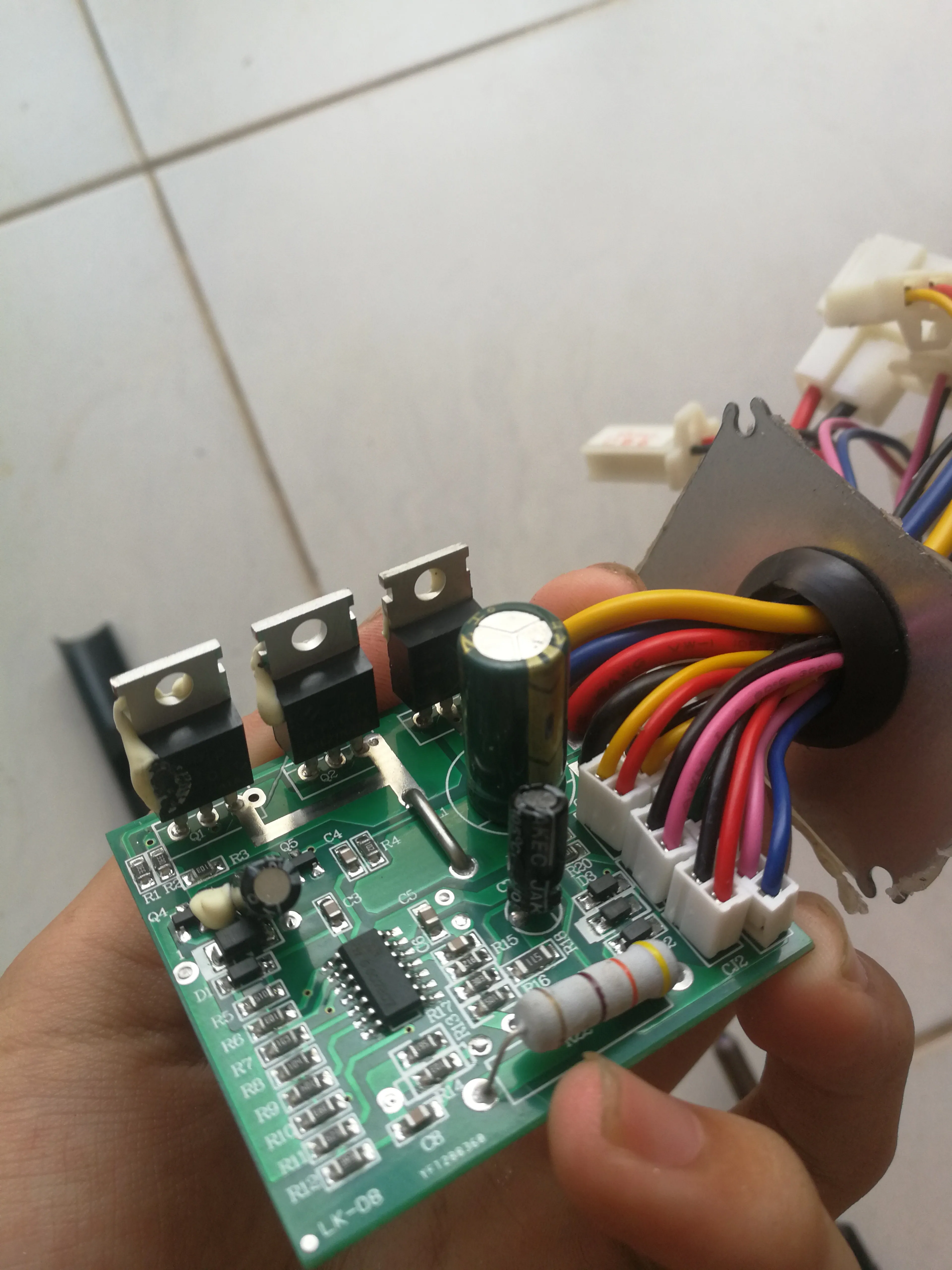
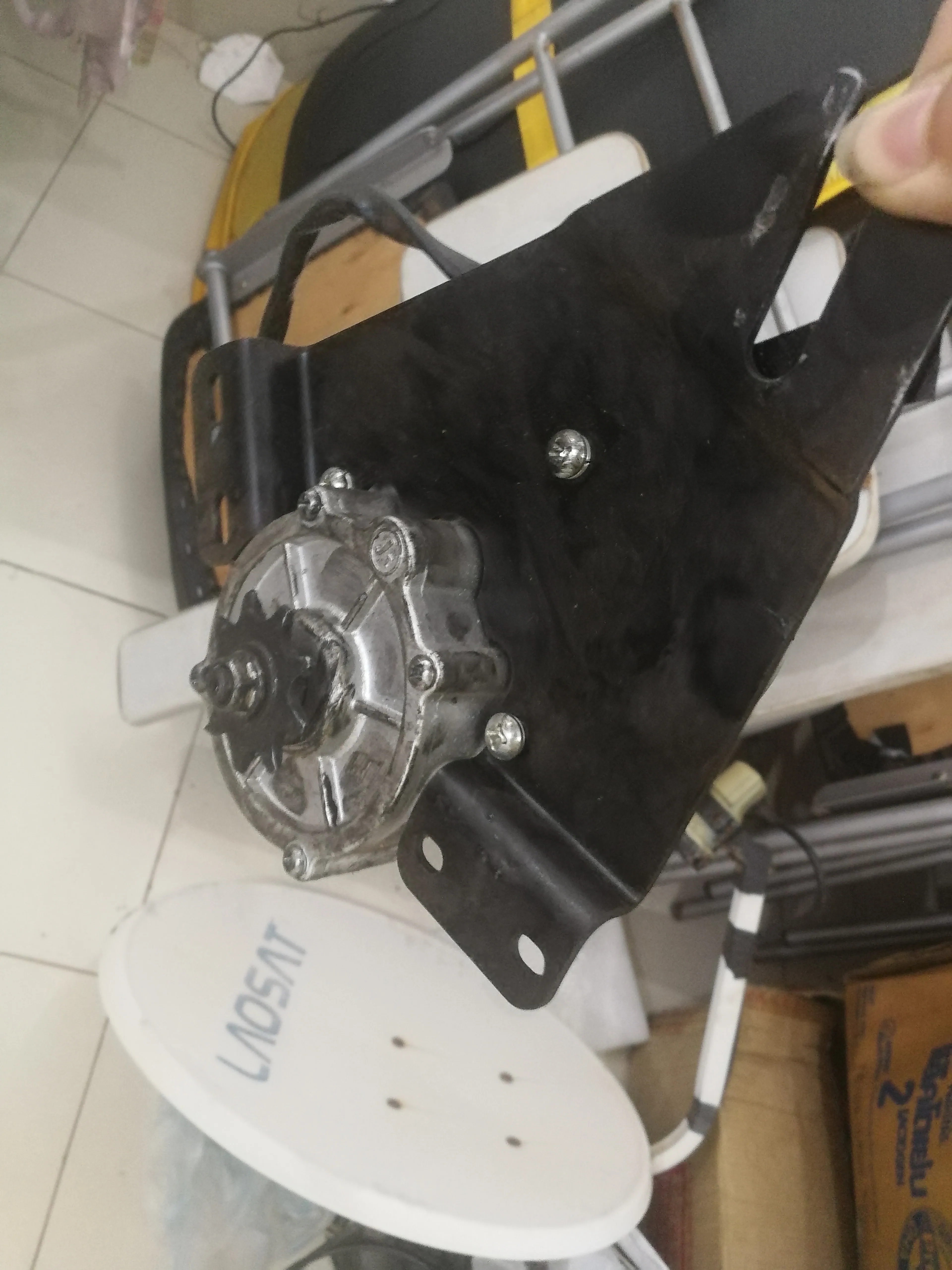
I used this MY1016Z2 brushed DC motor I had on hand to modify the bike. Honestly, I’m not a total professional at this, but I figured out some parameters and wiring diagrams while tinkering with it and thought it would be fun to share. In mainland China, you can’t officially register a heavily modified bike like this and will face fines if caught on the road. If they allowed such modifications, the speed-limited standard national e-bikes wouldn’t sell at all. But such DIY modifications are generally fine abroad.
Because the voltage difference (cell imbalance) of LiFePO4 (Lithium Iron Phosphate) batteries can get quite large, an active balancer is necessary. Otherwise, after prolonged use, the cells will become highly unbalanced, and the battery won’t be able to charge properly.
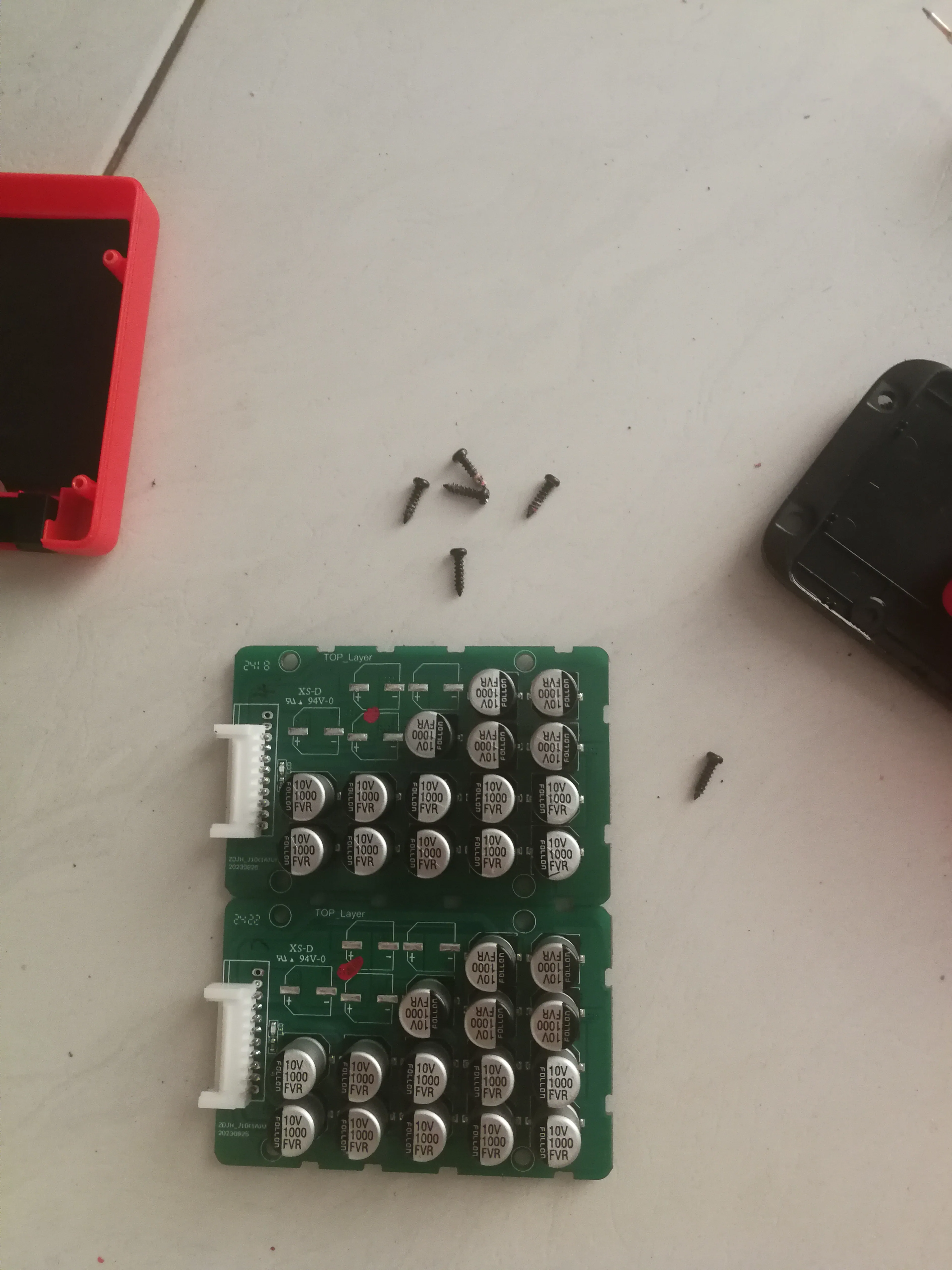
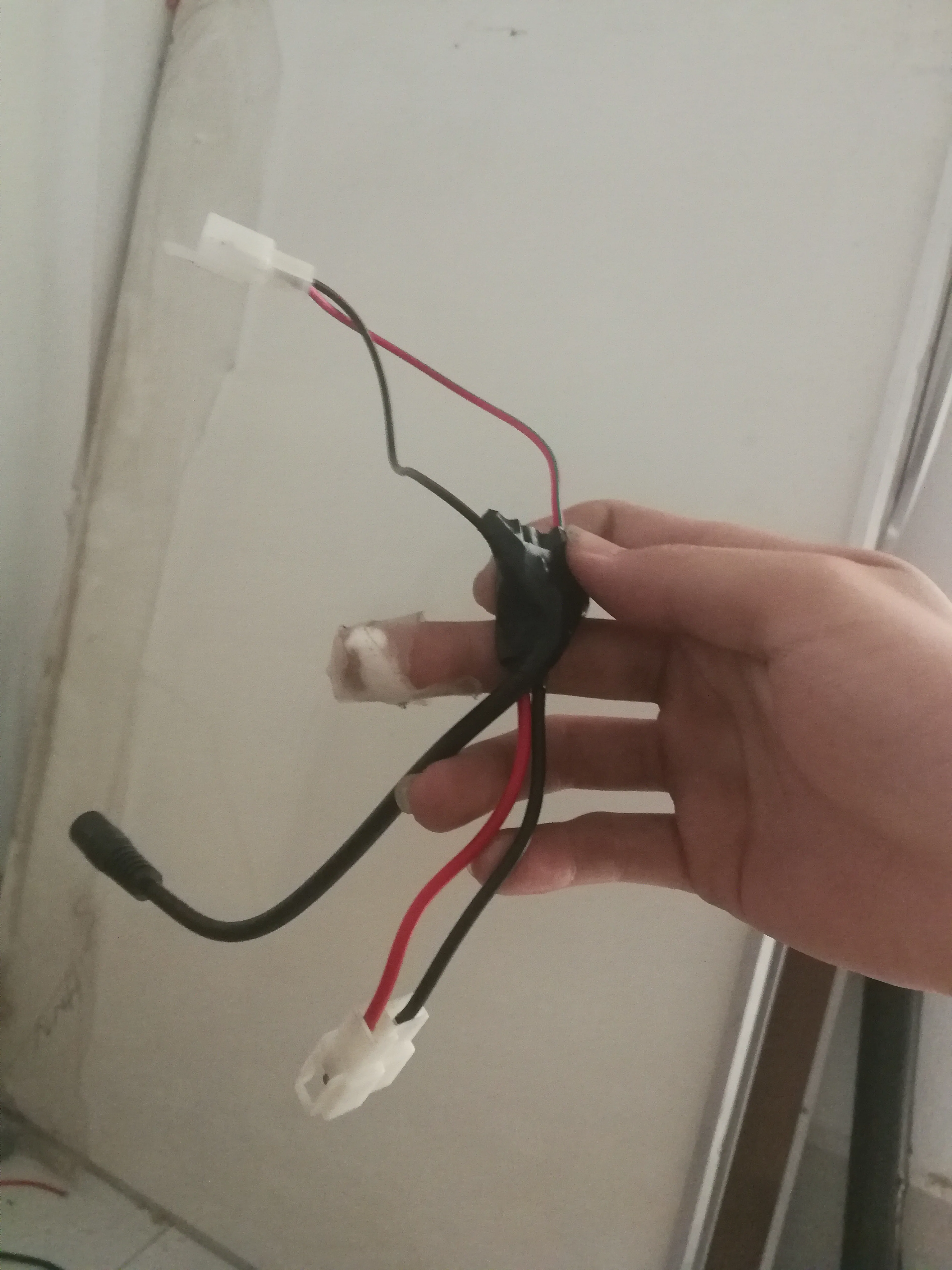
Since the charging current can be quite high, reaching up to 10A, I soldered two connectors to combine the power interface and the charging interface together.
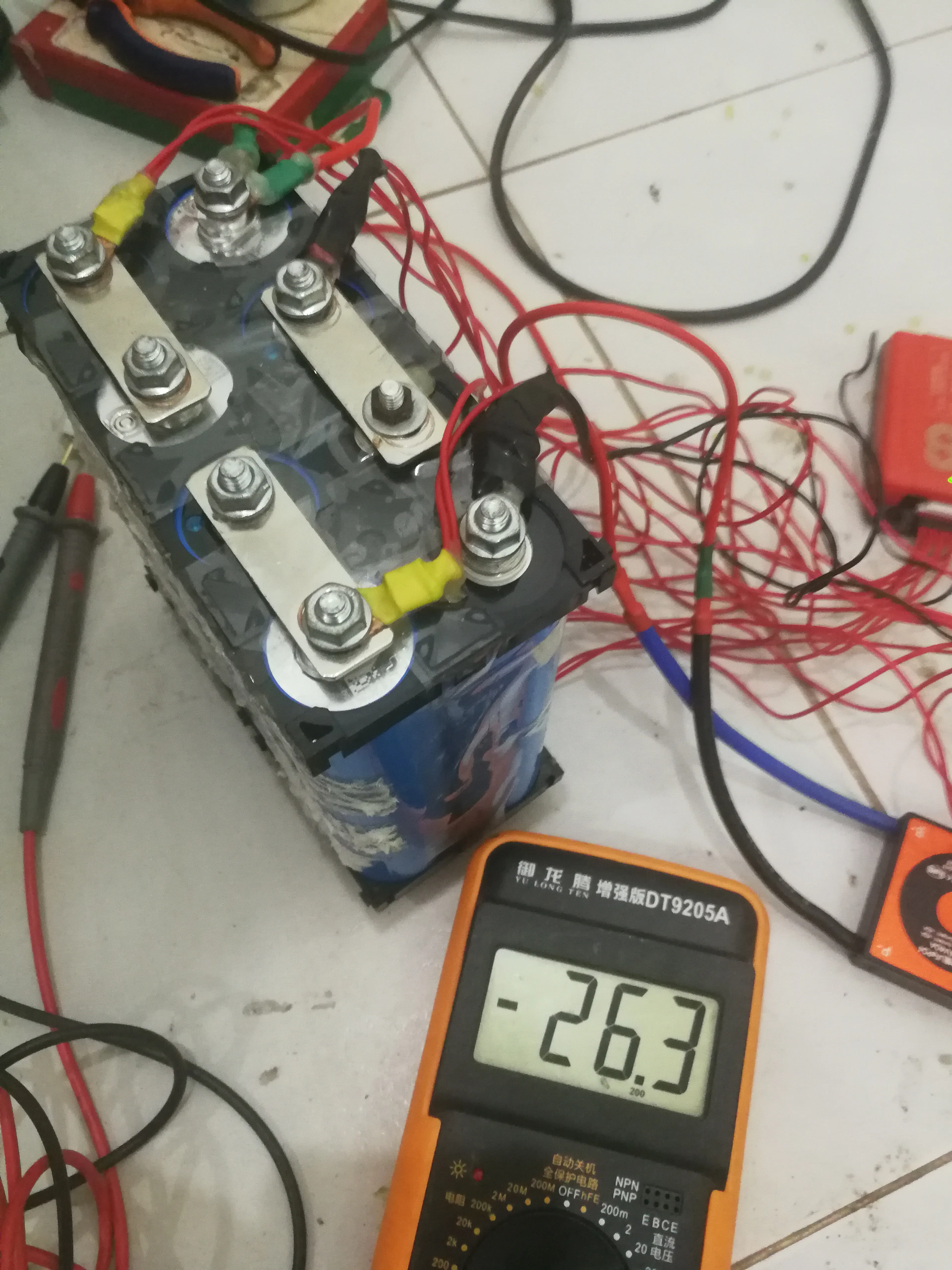
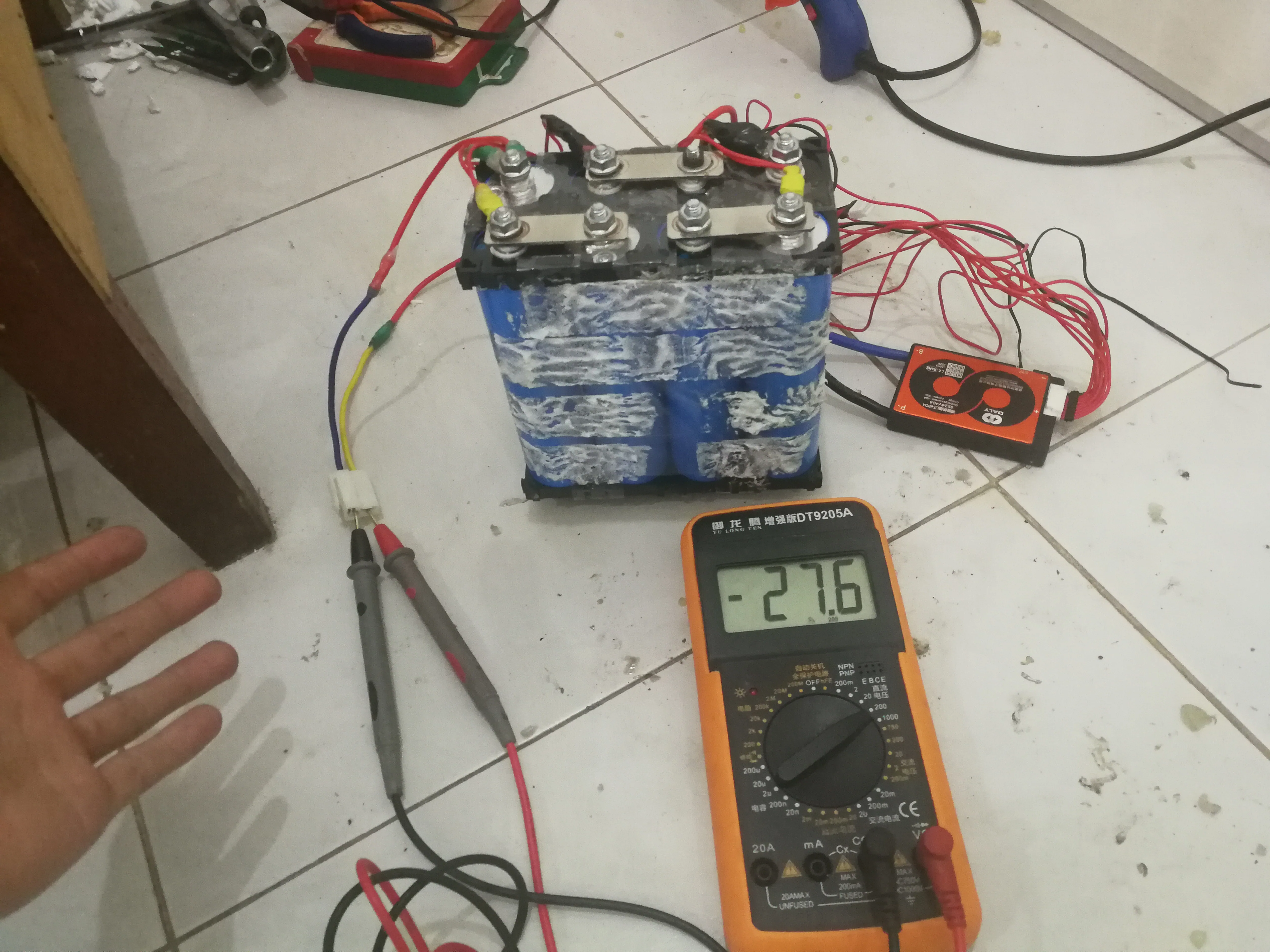
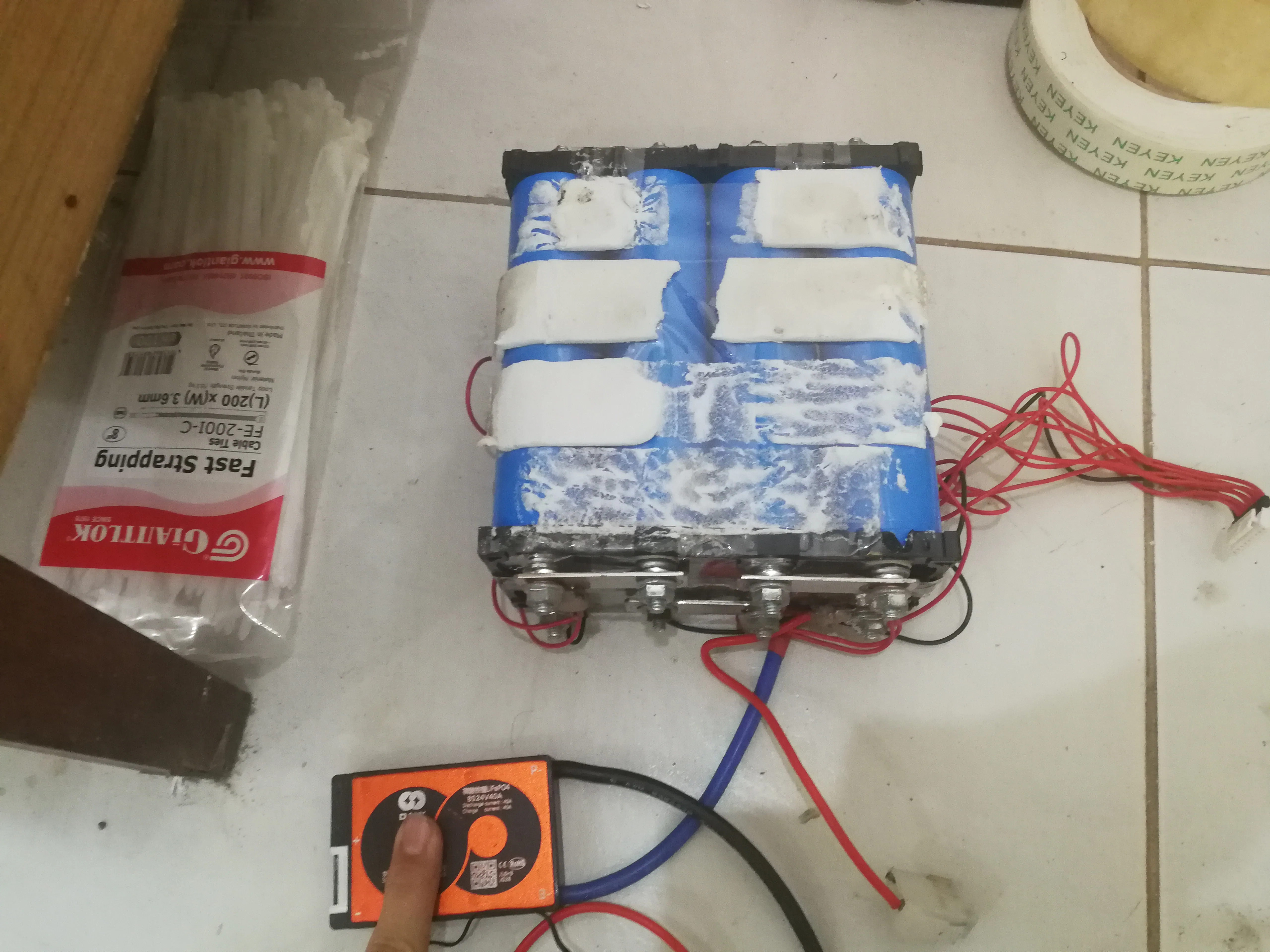
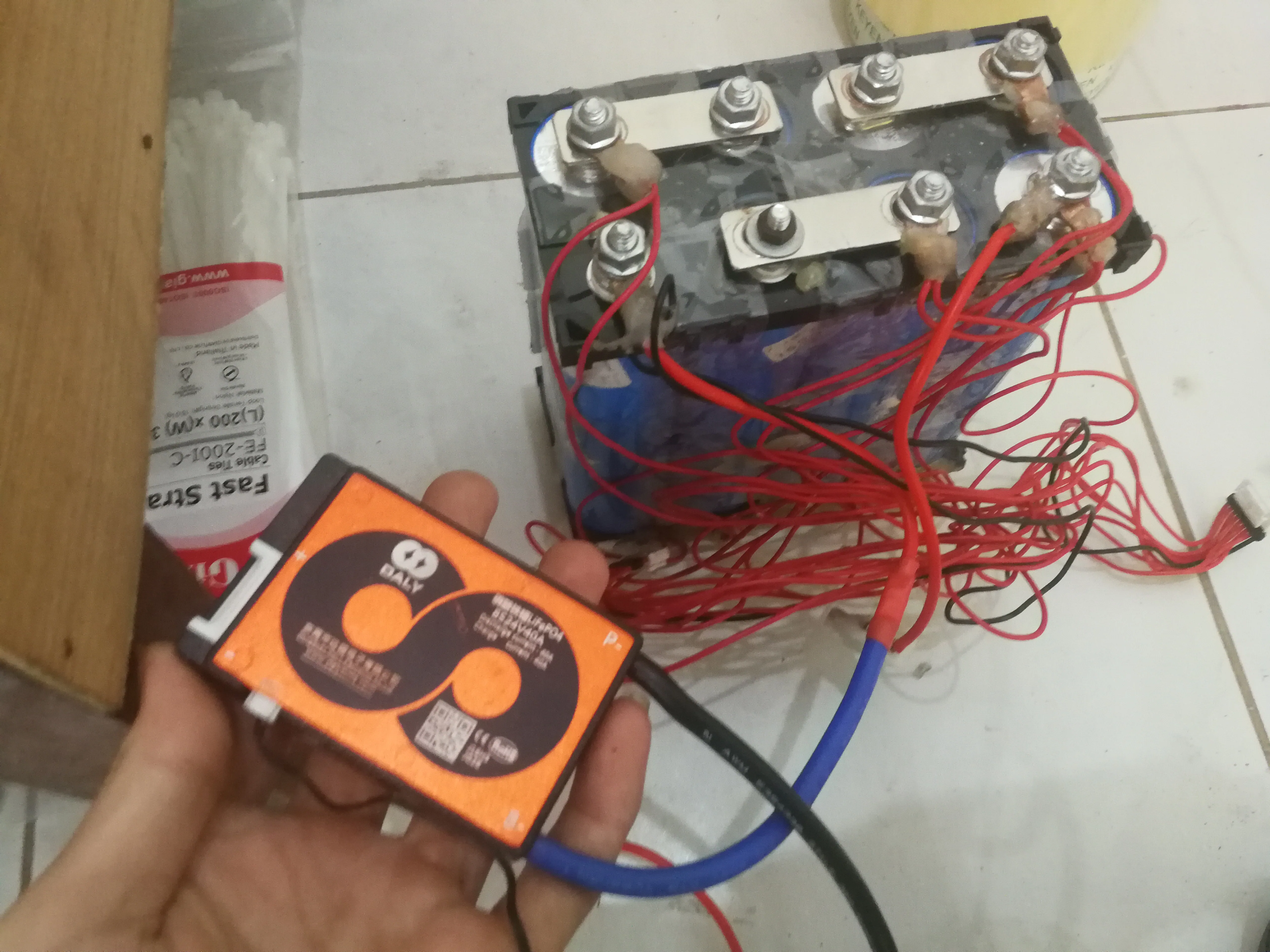
For motors like this, a 20A protection board (BMS) is useless even if the motor’s rated current is 13A; it will still easily trigger the overcurrent protection. So, I chose a 40A protection board. My battery has a capacity of 15Ah and a 2C discharge rate, which means the maximum continuous discharge current is 30A. The BMS rated at 40A is perfectly fine and won’t exceed the battery’s tolerance. Note that my battery pack can handle a peak discharge of 3C.
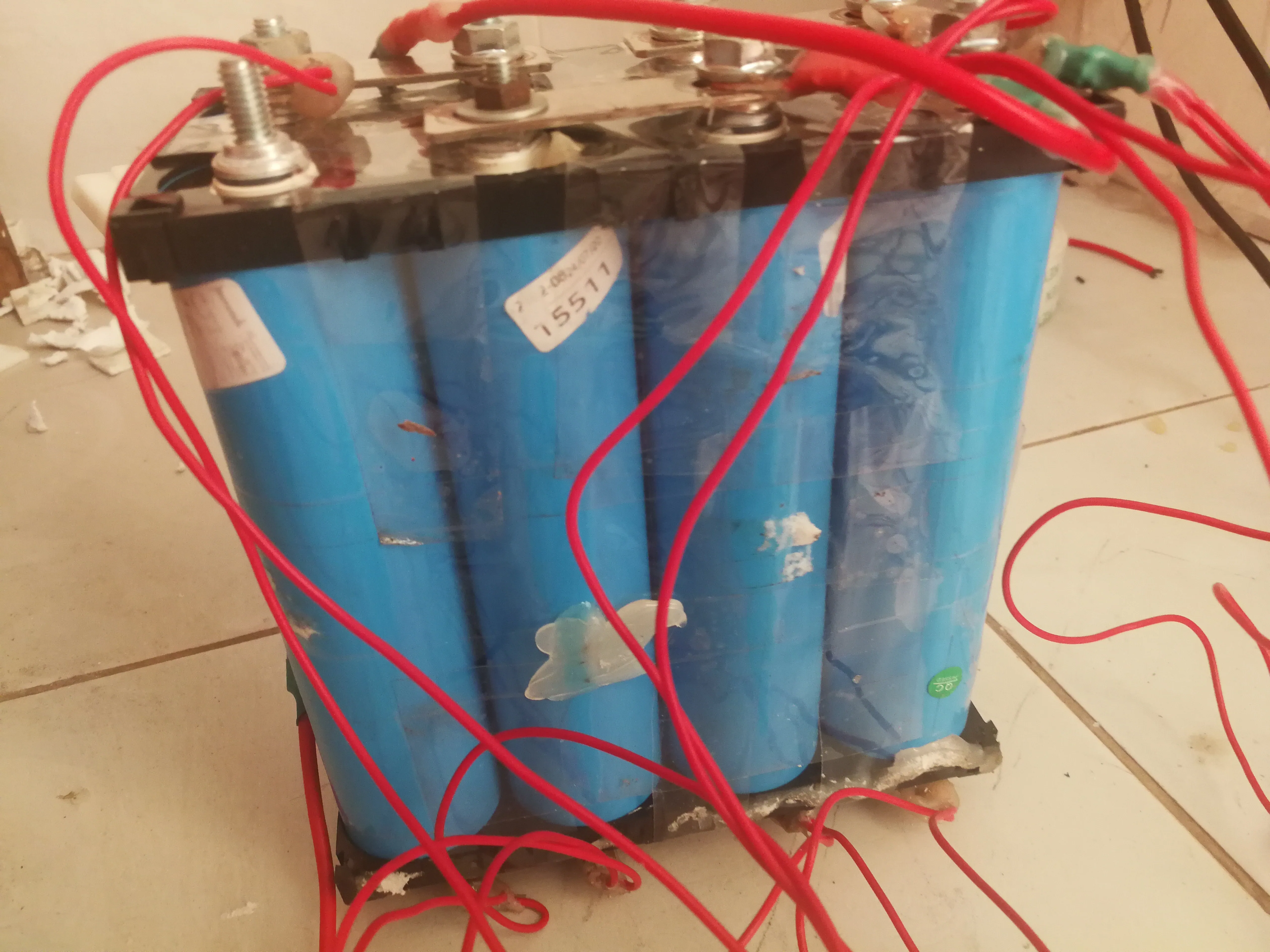
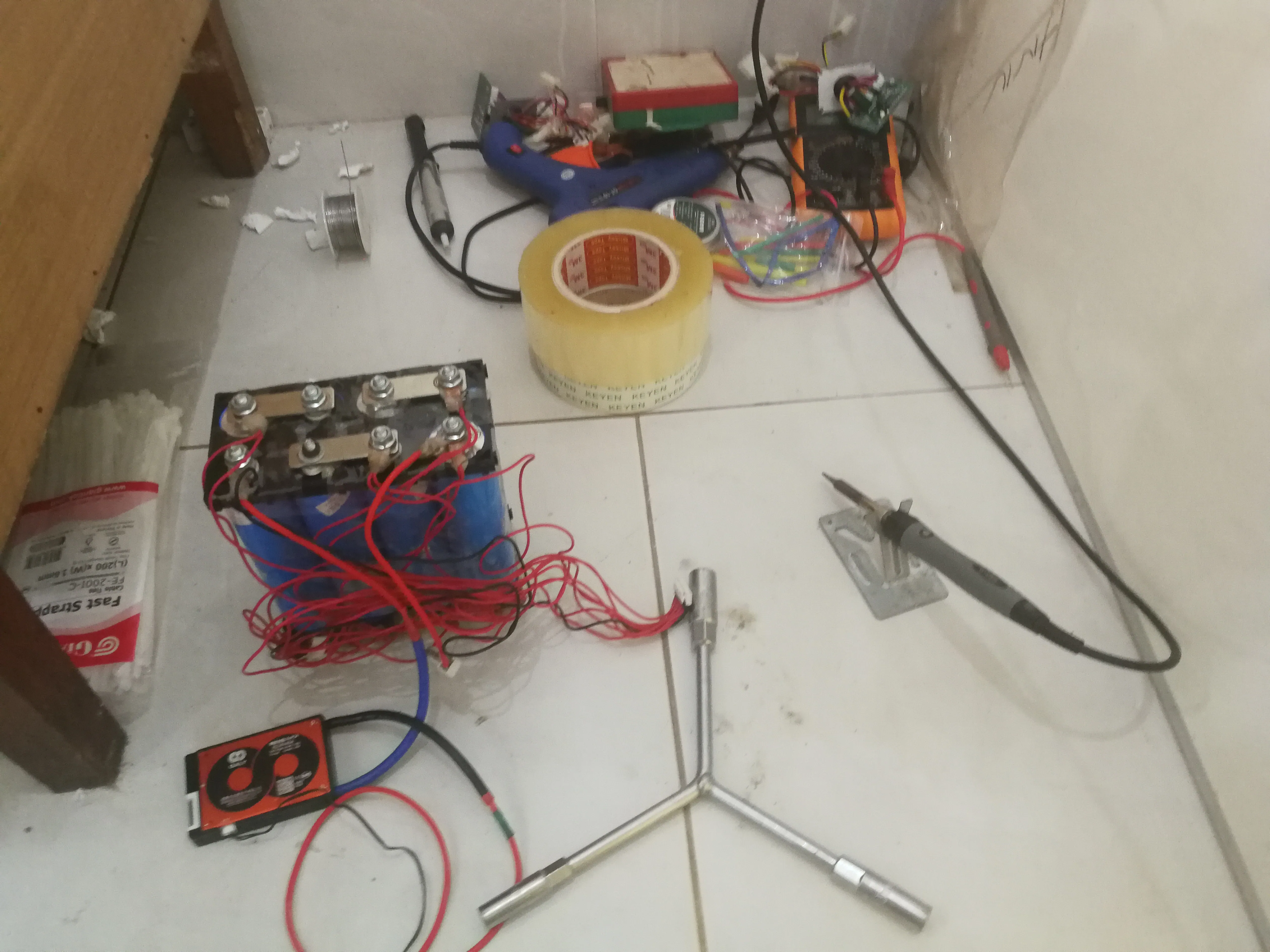
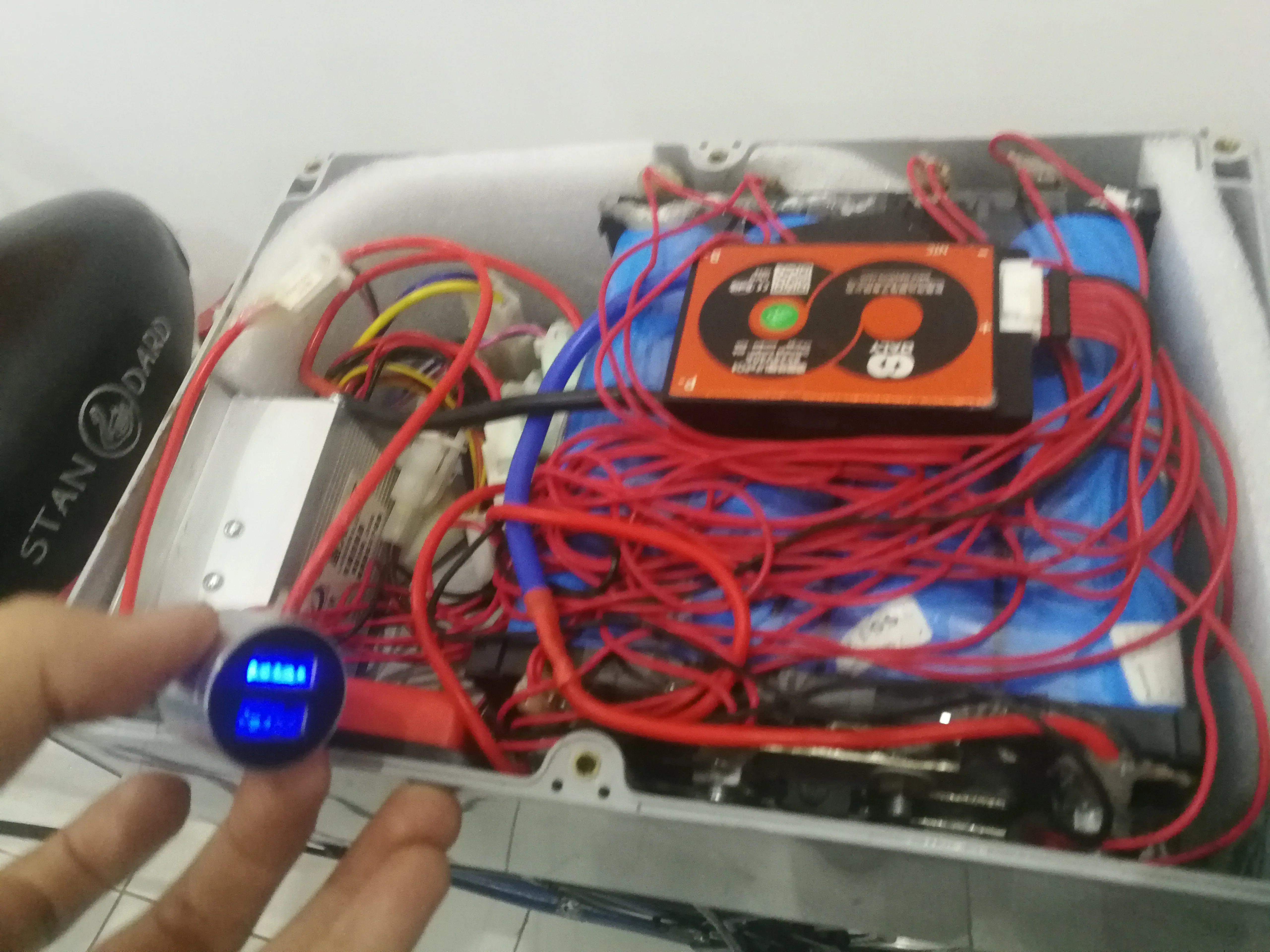
Here is the battery pack assembly process. Once finished, it was ready to use.
It can also step down the 24V power to charge a mobile phone.
My next article will be about taking this e-bike out for a ride to enjoy the scenery!