Table of contents
# A Record of a Second-Hand SSD Failure
TL;DR / [Geek Summary]:
- Hardware Red Flags: Investigating a no-name (XSJ) SSD failure, exposing the budget combo of SM2258XT controllers and “SpecTek” black-dot NAND.
- Stress Benchmarks: Using HD Tune 50GB tests to unmask “glorified USB drives” and analyzing the impact of massive latency on OS stability.
- Geek Insights: Using FLASH_ID to audit firmware-level parameters and NAND health, debunking the “cost-effective” myths of the second-hand market.
# Second-hand SSD Purchase Experience
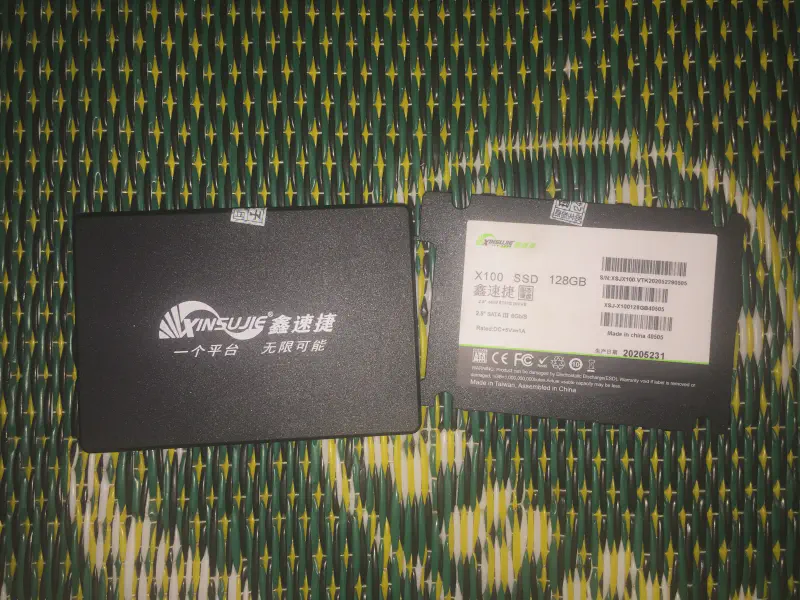
I always like to buy second-hand hard drives. The biggest advantage of second-hand hard drives is that they are cheap. Only once did I get a real Samsung hard drive. This time, the no-name solid-state drive made me know what cost-effectiveness is
# Starting point
When I turned on my computer, opened Windows 8.1, logged in, opened my IDE and prepared to start a day of thinking, I suddenly found that the delay of my SSD was even more outrageous than that of a mechanical hard disk
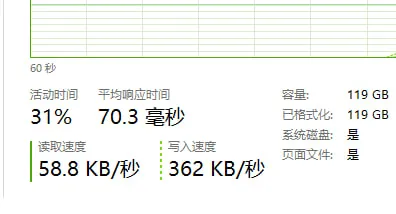
Look at this very touching delay, mechanical hard disks are more powerful than this, but I suddenly thought of the second-hand SSD I bought some time ago, and then I disassembled the laptop
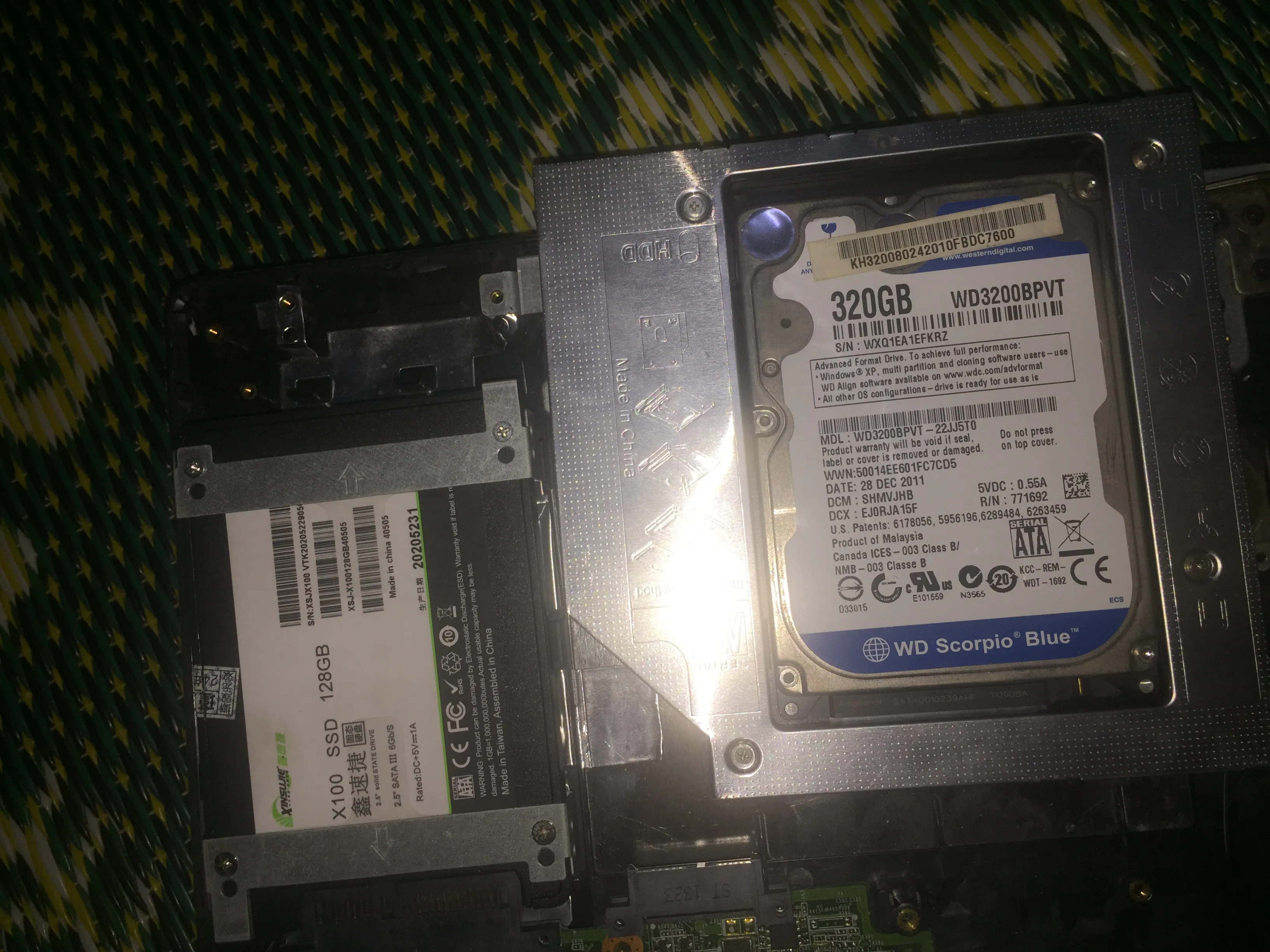
All the following stories happened in that black disk, the dark disk.webp
Next, let’s search for the brand of this disk
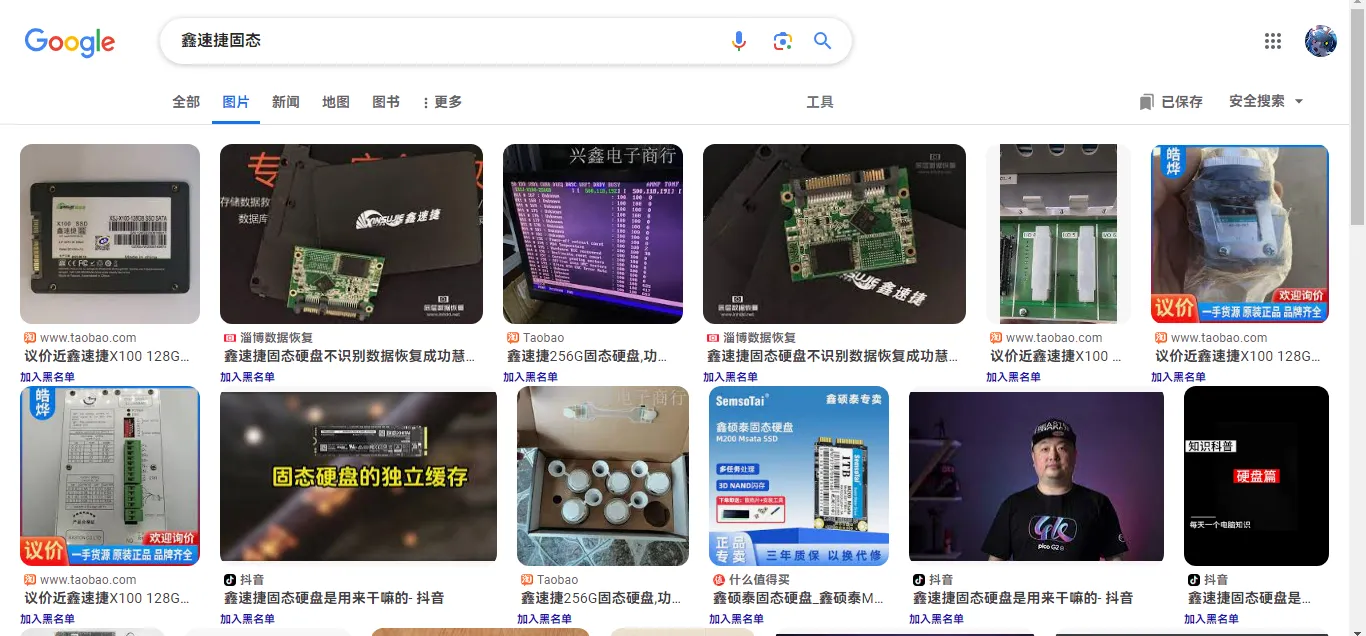
Why are there only some marketing accounts’ Douyin videos and Taobao links, and there is not even an official website. It must be a fake brand
In this case, I will first see how to test the performance of the hard disk. I checked and found that the software HD TUNE is needed. Then let’s take a look at the 10GB test!
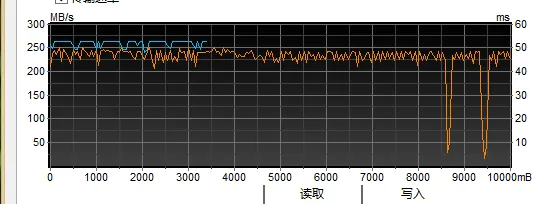
How come it doesn’t reach 50MB/S in the end? I feel there is something mysterious
The 50GB mode test made me feel what garbage particles are. Look at the speed drop and fluctuation. My system was directly stuck at that time. This is a large USB flash drive!
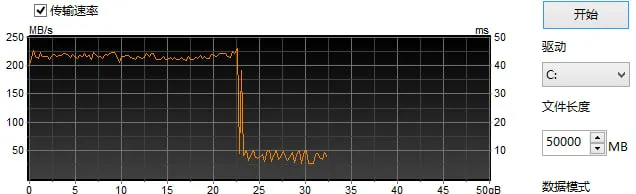
With these questions, I started my decryption journey
# The mystery-solving journey officially begins
The hard drive has a warranty sticker, but it doesn’t matter because it’s second-hand. You can just take a screwdriver and tap it to open it
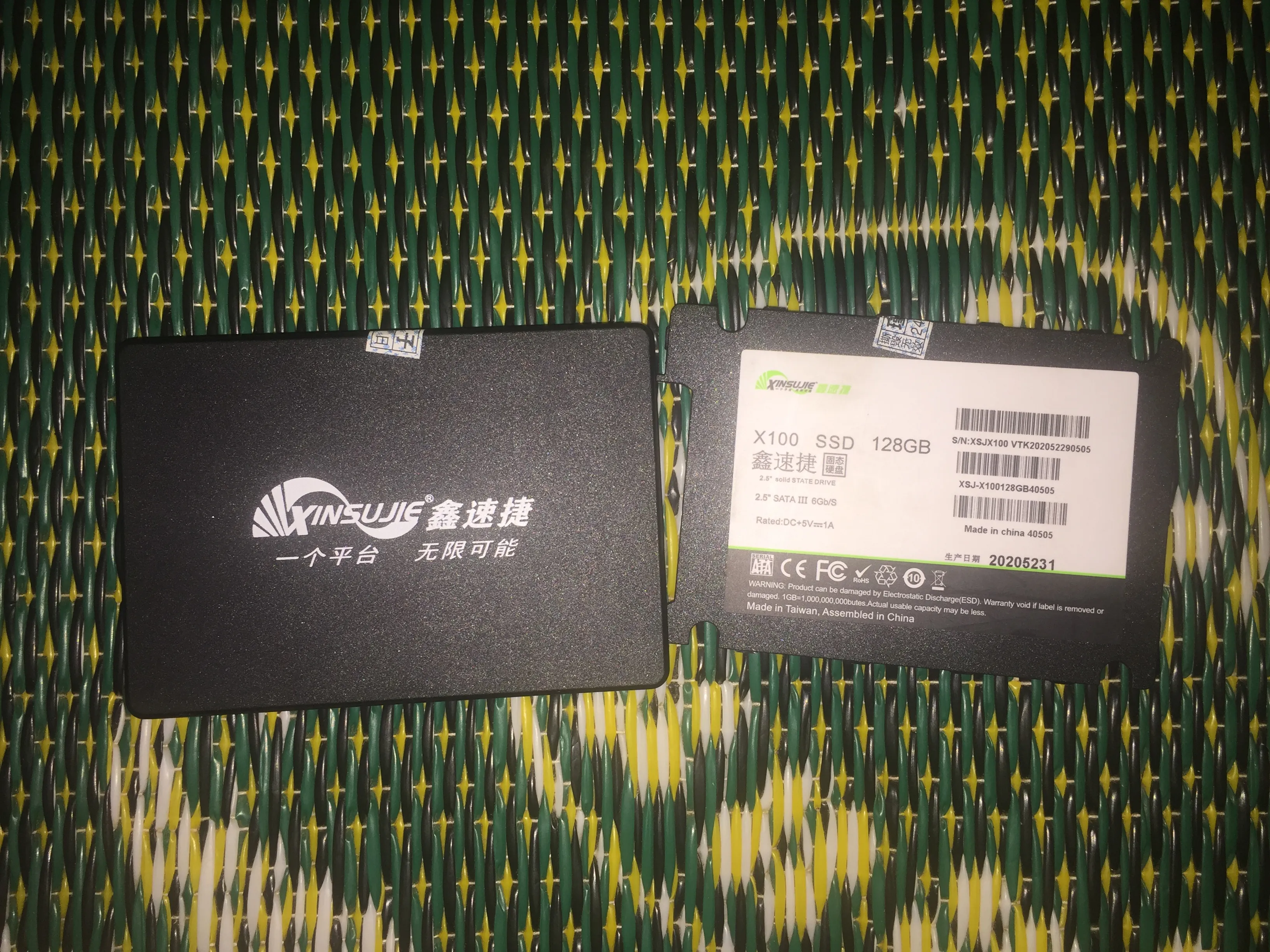
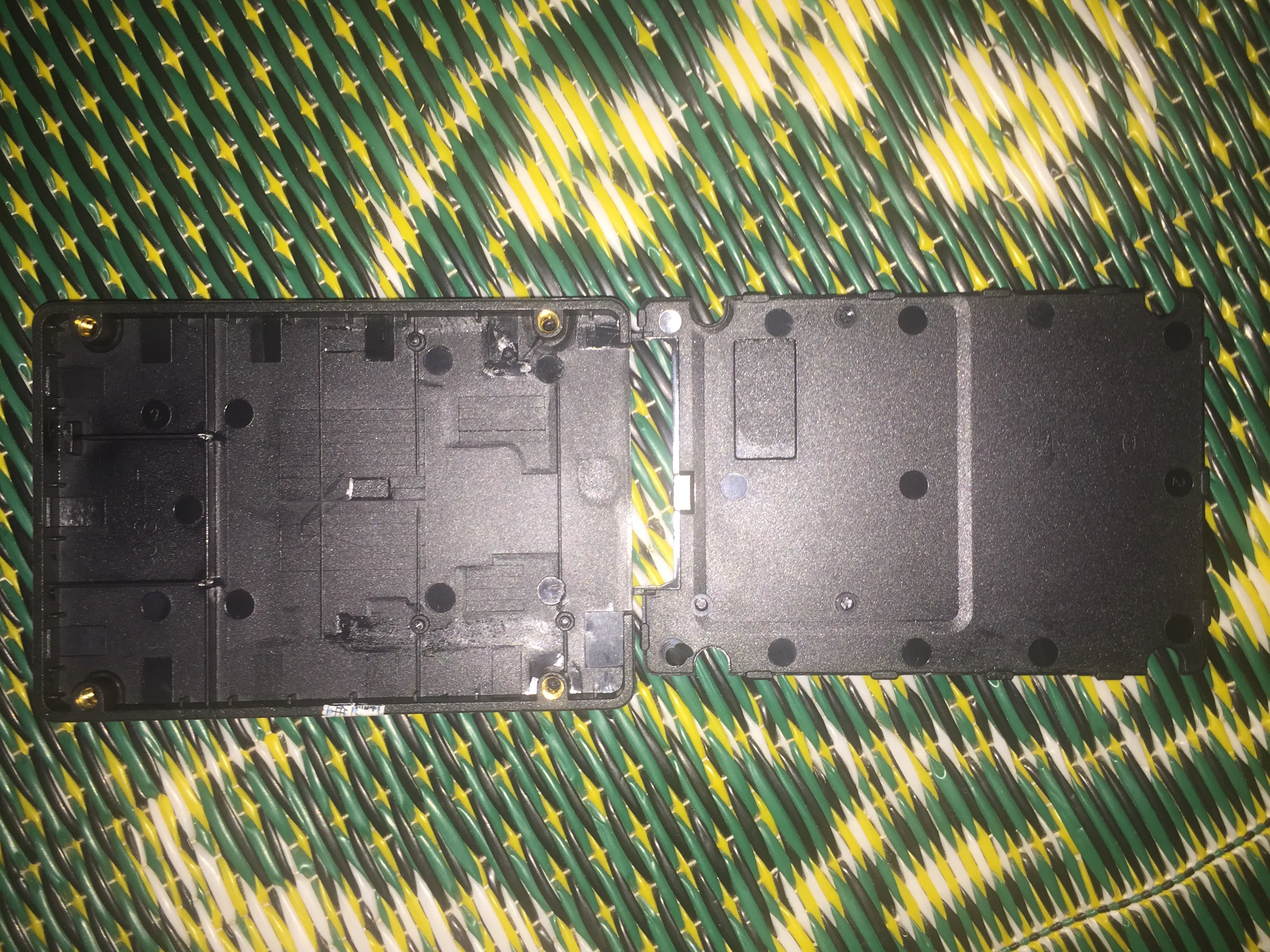
Look at thiscleansimple layout, not even screw holes reserved
Does this brand… look strange to you? In fact, I also felt very unfamiliar at first glance. There were no screws in the disassembly process of this hard drive, and it was all done by clips. It felt very different from the disassembly process of genuine SSDs such as Samsung.
The following is the motherboard of the SSD
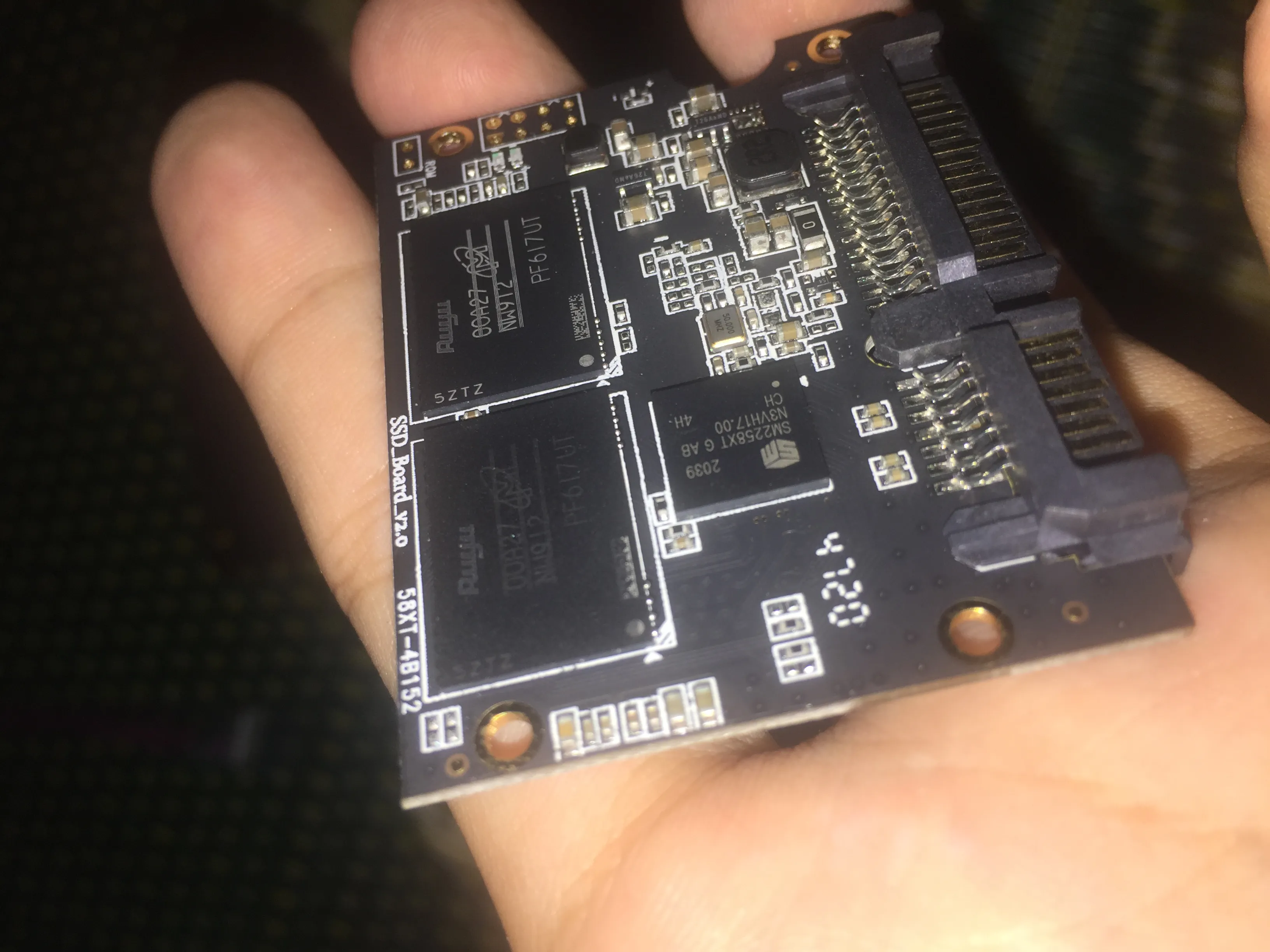
I have disassembled Samsung SSDs and have never seen such crossed particles. Generally, crossed lines represent waste, so I have a bad feeling
Enter the name of the main control 58XT

Ah? Solid-state USB flash drive, according to the following clues, it is found that the particles carried by this main controller are not very good. The main controller itself is good, but the particles are not good.
I am still skeptical after seeing the following
SM2258XT’s ability to capture bad blocks; everyone who has played with SSD knows a saying, SM2258XT card cannot be opened, and particles that cannot be used normally can be thrown directly into the trash can, so there is no need to worry about the data written due to bad particles cannot be read. For example; SM2259XT (essentially SM2258XT) mass-produced QLC N18, that kind of junk particles, 136G (yes, the original N18 1CE is 136G) has too many bad blocks, and can only open 90G capacity particles. Can they be mass-produced and used normally? May I ask if there are any other controllers that have such capabilities
The following one directly let me know what is called a high-level controller doge
SM2258XT stability; The following is the key point, those who see it should pay attention to it; 58XT firmware is 4-fold backup, that is, if the entire solid state has 4 CEs, the firmware is 4 identical ones distributed in the 4 CEs. Why is 58XT called the king of knockoffs? This is the case. The test rack 58XT mass-produced 4 particles. Except for the first particle, any particle can be removed and cleared, and it can still be used normally. 4WAY is written in the firmware card opening file. This is the strength of Huirong. Even if the firmware is lost, it can be recognized normally. I don’t know the specifics, but it can be the king of garbage particles and the world’s most sold SSD master controller. How can it be possible without two brushes
Now I am interested, let’s check what the particles are
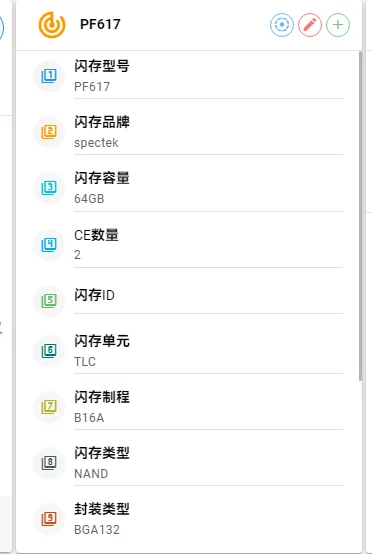
The legendary big S black film particles
Now the truth is revealed, but I found that this main control has 4CE and only occupies 2CE, which means that two more disks can be soldered
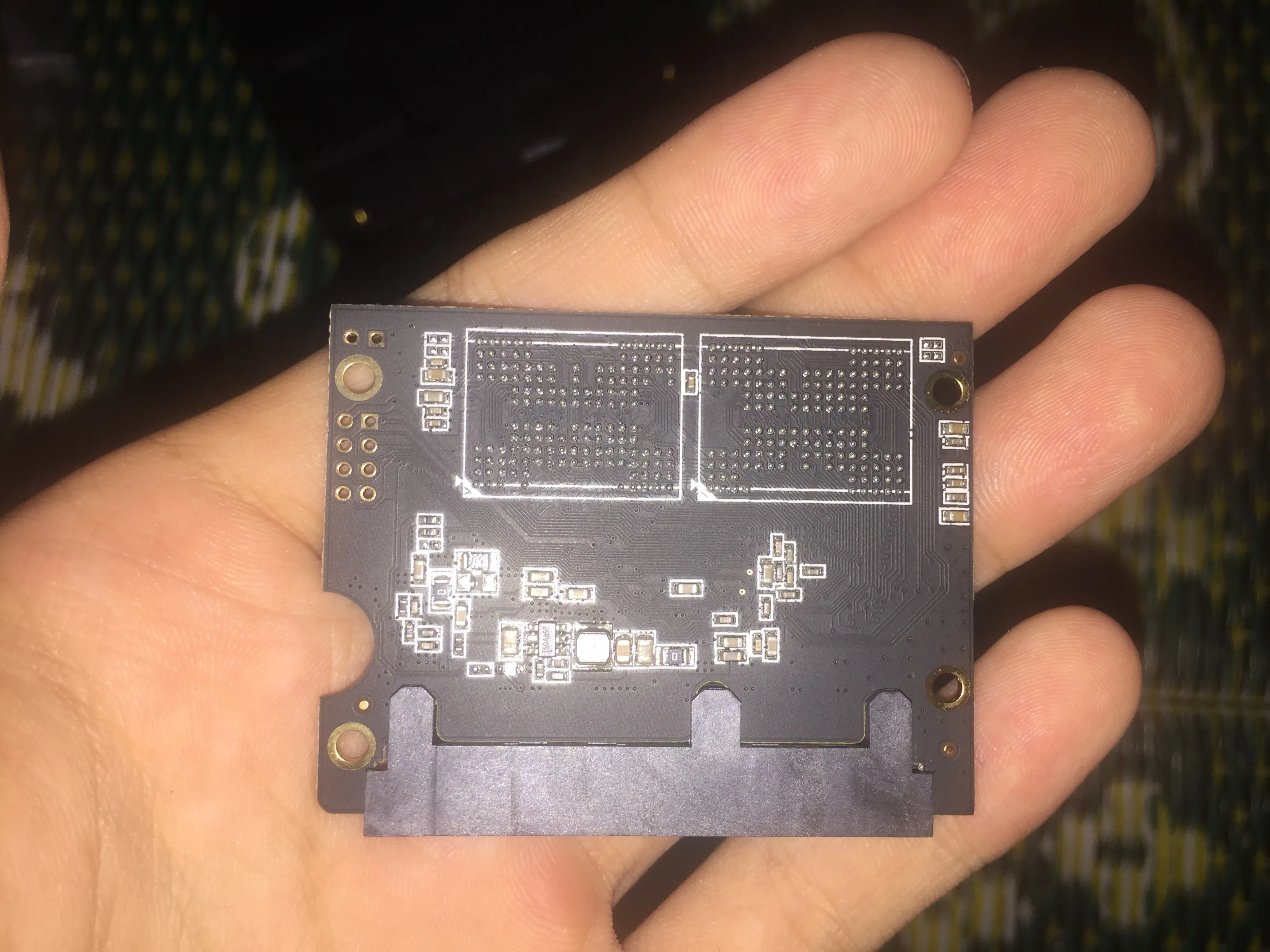
There are a lot of points that are dropped, which clearly means they don’t want me to solder. Forget it, this kind of hard drive is like the barrel effect. New particles will be dragged down by old particles even if they are good.
# The road of tossing
In fact, there is nothing to do with this kind of disk, because the particles are from unknown sources and the firmware can’t be found. Now the original firmware can also be used. I don’t want to do any overclocking. I use FLASH_ID to check and the parameters are as follows
| |
Look at the bad blocks, there are 8 of them
I checked the firmware and found that it is not a clear disk
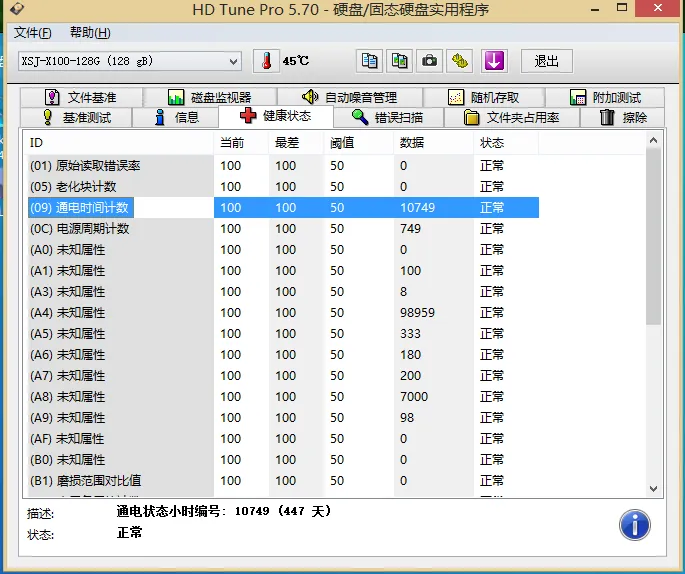
# Successfully concluded
Finally, I tested the speed and it feels good enough for daily use
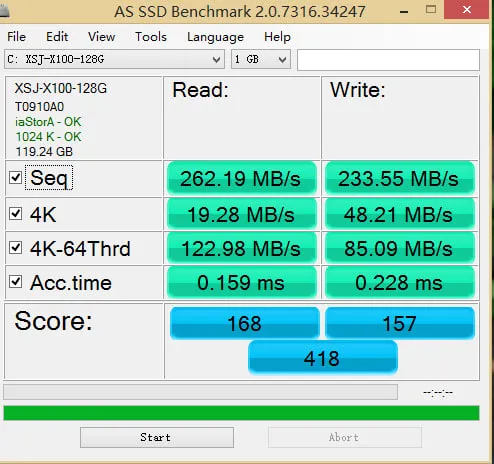
Cheap SSDs also have their audiences, and expensive SSDs also have their audiences
Don’t say to the cheap SSD group: Why don’t you eat meat